
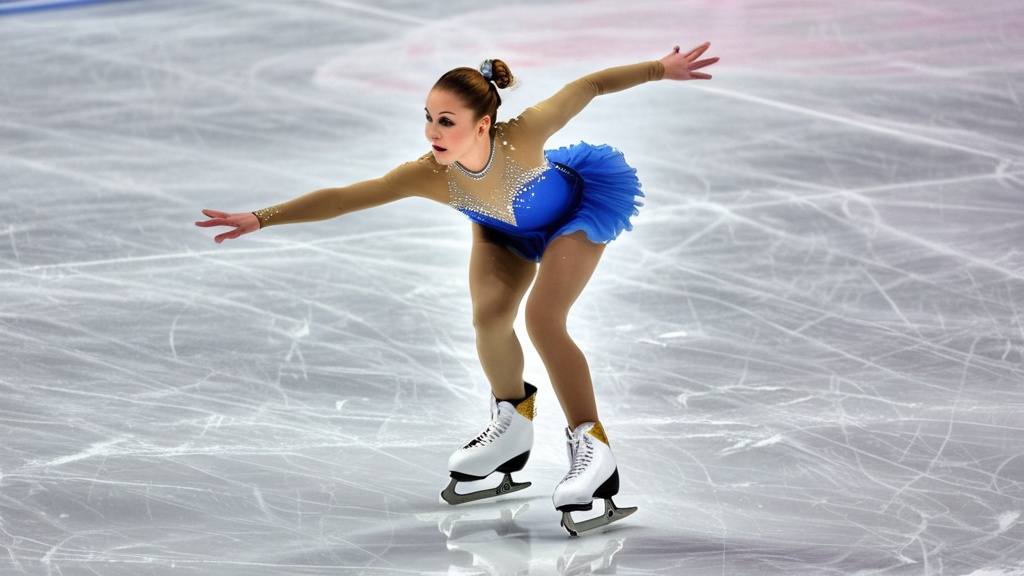
The 2026 Winter Olympics Women’s Single Skating Free Skate represents the culmination of the individual ladies’ competition, a highly anticipated event where a skater’s artistry, technical prowess, and resilience are put to the ultimate test. Following the disciplined structure of the short program, the free skate offers a broader canvas for expression and technical execution, often acting as the decisive act in the medal chase. This segment of the competition is more than just a collection of elements; it is a narrative woven with music, movement, and athleticism, where the smallest misstep can be amplified and a flawless performance can become the stuff of legend.
The Milano Ice Skating Arena, a venue designed to host the world’s elite winter athletes, will serve as the stage for this pivotal competition. The air in the arena will, no doubt, hum with a mixture of anticipation and the focused energy of the competitors. The free skate, scheduled for 19:00 local time (UTC+1) on February 19, 2026, follows the short program held on February 17, providing skaters with a brief but crucial window for assessment, recovery, and strategic adjustments. The pressure of an Olympic free skate is a palpable force, demanding not only peak physical conditioning but also immense mental fortitude. Skaters will transition from the constrained requirements of the short program to a more expansive performance, where they must strategically deploy their most challenging jumps, intricate spins, and captivating choreography to impress the judges and secure their place in Olympic history.
The Arena and Its Atmosphere
Milano Ice Skating Arena is set to be the crucible for this year’s Olympic figure skating drama. As a purpose-built Olympic venue, it is expected to offer state-of-the-art facilities designed to optimize the skating experience for both athletes and spectators. The acoustics and ice quality are paramount in figure skating, and an arena of this caliber should provide a consistent and responsive surface. The atmosphere leading up to and during the free skate will be electric.
Expectations for the Venue
The arena’s design should contribute to an immersive experience. The seating configurations are likely to offer excellent sightlines for the audience, allowing them to fully appreciate the intricate details of each performance. Lighting and sound systems will be crucial in enhancing the presentation of the skaters’ programs, turning the arena into a theater of ice.
The Impact of the Crowd
The presence of a significant and engaged audience will undoubtedly play a role. The roar of the crowd, the hushed silence during complex elements, and the sustained applause for exceptional performances are all integral parts of the Olympic figure skating spectacle. This energy can be a powerful motivator for the skaters, fueling their performances, but it can also add another layer of pressure to an already high-stakes environment.
The Timeline: Short Program to Free Skate Transition
The period between the short program and the free skate is a critical juncture in any figure skating competition, especially at the Olympic level. It is a time of reflection, strategizing, and physical recuperation. Skaters and their coaching teams will analyze the results of the short program, identify areas for improvement, and refine their game plans for the longer, more demanding free skate.
Decoding the Short Program Results
The short program acts as an initial litmus test, establishing the pecking order and highlighting immediate strengths and vulnerabilities. Scores from this segment provide valuable data points, informing decisions about the difficulty of elements to be attempted in the free skate.
Strategic Adjustments
Based on the short program, skaters might choose to adjust the layout of their jumps, the number of revolutions in their spins, or the intensity of their step sequences. The free skate allows for more flexibility in program construction, offering opportunities to gamble on higher-scoring elements or to focus on solidifying a lead with consistent execution.
The Pressure of the Olympic Stage
The Olympic Games represent the pinnacle of athletic achievement. For figure skaters, this stage amplifies every aspect of the competition: the cheers of the crowd, the scrutiny of the judges, and the immense weight of national expectation. The free skate, being the longer and more technically demanding program, often becomes the ultimate determinant of Olympic glory.
Mental Fortitude Required
The ability to perform under such intense pressure is a defining characteristic of Olympic champions. Skaters must be able to not only execute complex routines but also to manage the emotional rollercoaster of the competition, pushing through any nerves or setbacks to deliver their best performance when it matters most.
The Weight of Expectations
Each skater arrives at the Olympics carrying the hopes of their country, their families, and their own personal aspirations. The free skate is where these expectations are either met, exceeded, or fall short, making it a deeply personal and profoundly public moment.
As the excitement builds for the 2026 Winter Olympics, fans are eagerly anticipating the women’s single skating free skating event, which promises to showcase incredible talent and artistry on the ice. For a deeper dive into the preparations and expectations surrounding this thrilling competition, you can read a related article that discusses the top contenders and their training regimens. Check it out here: 2026 Winter Olympics Women’s Single Skating Free Skating Insights.
The Short Program’s Shadow: Leading into the Free Skate
The dramatic events of the short program have set the stage for a compelling free skate, with a surprising leader at the helm. Ami Nakai, a 17-year-old debutant from Japan, has emerged as the unexpected frontrunner, positioning herself as a formidable contender amidst seasoned Olympians. Her performance in the short program was a clear statement of intent, demonstrating a maturity and technical skill that belies her age and Olympic debut status.
Ami Nakai: The Youngest Leader
Nakai’s ascent to the top of the standings is a narrative arc in itself. As the youngest competitor at the Games, her composure and execution were exceptional. Starting in the 18th group, a position typically associated with skaters further down the rankings, she delivered a performance that defied expectations, earning a season-best score and capturing the imagination of the skating world.
A Debutant’s Dominance
The pressure on a young skater in their Olympic debut can be overwhelming, yet Nakai navigated it with remarkable grace. Her performance in the short program was a masterclass in controlled aggression and artistic expression, suggesting a bright future ahead.
Setting a High Bar
Nakai’s leading score sets a high bar for the rest of the field. Her performance has not only placed her in a prime position for a medal but has also added a captivating storyline to the remainder of the competition. The free skate will now be a test of her ability to maintain this momentum and withstand the pressure of leading.
The Close Contenders: Within Striking Distance
The gap between the top skaters is remarkably narrow, ensuring that the free skate will be a fiercely contested battle for the podium. The current standings reveal a pack of formidable skaters poised to capitalize on any slip-up from the leader.
Alysa Liu: The Reigning World Champion
Alysa Liu, the reigning world champion, sits in third place, a mere whisper of a point behind Nakai. Her strength traditionally lies in her powerful free skate, a segment where she has consistently delivered exceptional performances. With her pedigree and proven ability to elevate her game, Liu is a significant threat.
Liu’s Technical Prowess
Liu’s technical arsenal is well-documented. Her ability to land challenging quadruple jumps, combined with her established artistry, makes her a constant danger to any competitor. The short program’s slight deficit is unlikely to deter her; she is a skater known for rising to the occasion.
Artistic Expression as a Differentiator
Beyond her technical skills, Liu’s programs are often noted for their emotional depth and engaging choreography. This can significantly sway judges, especially in a competition where every fraction of a point matters.
Mone Chiba: A Consistent Threat
Holding fourth place is Mone Chiba, another Japanese skater who has demonstrated consistent high-level performance throughout the season. Chiba has proven herself a podium threat, and her free skate has the potential to propel her into contention for gold.
Chiba’s Steady Progression
Chiba’s ascent has been one of steady improvement and meticulous attention to detail. She is a skater who executes her elements with precision and a refined artistic interpretation, making her a reliable contender.
The Japanese Factor
Chiba’s presence in the top ranks further underscores the potential for Japanese dominance in the women’s event, adding another layer to the national narrative.
Adeliya Petrosian: The Unknown Variable
Completing the top five is Adeliya Petrosian. While her current ranking is 5th, there are whispers of her capability to perform two quadruple jumps in her free skate. However, reports of recent injury concerns inject an element of uncertainty around her true potential and her ability to execute such ambitious elements.
The Quad Gamble
The prospect of Petrosian landing multiple quadruple jumps introduces a significant wildcard into the competition. If she can execute these challenging elements cleanly, she could dramatically alter the standings.
The Shadow of Injury
Conversely, the lingering effects of any injury can be a significant impediment. Her ability to perform at her absolute best will depend on her physical recovery and mental preparation leading into the free skate.
Other Olympic Aspirations: Outside Podium Chances and Potential Surges
While the top contenders occupy the leading positions, the nature of figure skating, particularly the free skate, allows for significant fluctuations in the rankings. Skaters further down the order still hold the potential to surprise and make a substantial impact.
Anastasiia Gubanova: An Outside Chance
Anastasiia Gubanova, currently in sixth place, possesses the technical ability and artistic flair to challenge for a podium spot. While her path to a medal might require a near-perfect performance and some favorable outcomes from skaters ranked above her, it is not an insurmountable task.
Gubanova’s Strengths
Gubanova’s performances are often characterized by strong triple jumps and elegant spins. Her ability to maintain focus and execute her program cleanly under pressure will be key to her success.
The Importance of Program Components
In addition to technical elements, Gubanova’s program component scores – encompassing aspects like skating skills, transitions, performance, choreography, and interpretation of the music – can be a significant differentiator.
The Free Skate’s Reshuffling Power
The free skate, with its longer duration and greater scoring potential, is a powerful tool for reshuffling the leaderboard. Skaters who may have had a less-than-ideal short program can often climb significantly with a strong free skate, while leaders can face unexpected challenges. This dynamic ensures that the competition remains compelling until the very last skater.
The Unpredictability of Competition
The free skate is a marathon, not a sprint. Skaters must manage their energy and focus throughout the entire program. A single mistake can have cascading effects, while a series of well-executed elements can build momentum and confidence.
The Role of New Records and Personal Bests
The Olympic stage often inspires athletes to achieve new heights, setting personal bests and even world records. The free skate is the arena where such monumental achievements are most likely to occur, adding another dimension of excitement for fans.
Japanese Ambitions: A Quest for Olympic Gold and Beyond
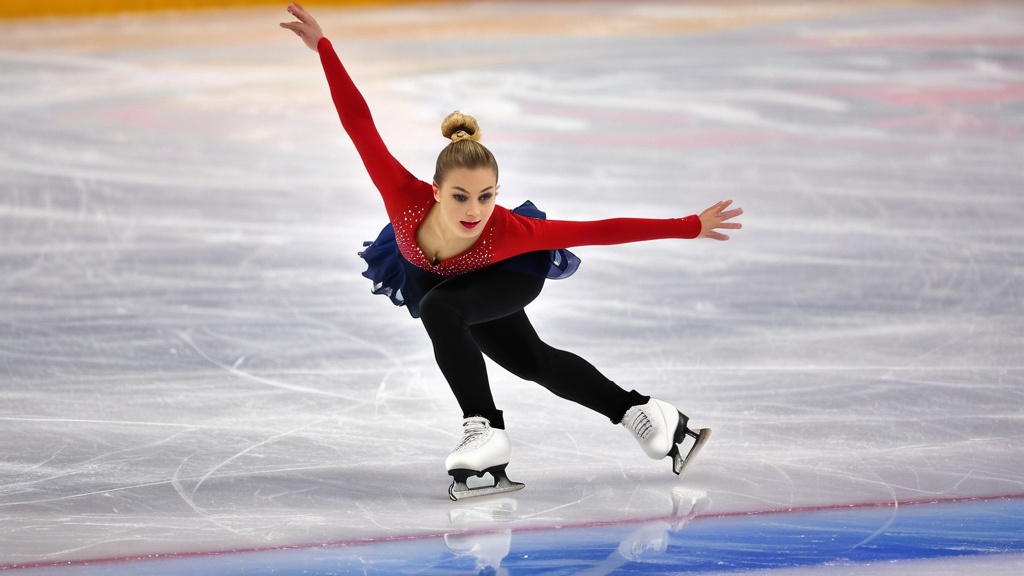
The Japanese contingent is not merely participating in the 2026 Winter Olympics Women’s Single Skating; they are aiming for a significant impact, with aspirations for a podium sweep or, at the very least, a crowning Olympic achievement. This ambition is built upon a foundation of consistent success in recent international competitions, particularly in the men’s and pairs disciplines, signaling a potent force in the global figure skating landscape.
A History of Success Fueling Future Goals
Japan’s recent performances in other disciplines have injected a palpable sense of confidence and expectation into their skating program. The success of skaters like Yuma Kagiyama, who secured a silver medal in the men’s event, and the gold medal triumph of Riku Miura and Ryuichi Kihara in pairs skating, have created a cultural momentum. This collective success serves as both inspiration and a benchmark for the women’s singles skaters.
Building on Momentum
The performances in men’s and pairs have demonstrated the strength of the Japanese skating system, from coaching to athlete development. This existing success provides a fertile ground for the women’s singles skaters to aim even higher.
National Pride and Support
The dedication and success of Japanese figure skaters often resonate deeply within the nation. The possibility of multiple medals, or a historic gold, in the women’s event would undoubtedly be a cause for immense national pride and celebration.
The Potential for a Podium Sweep
The current standings, with Ami Nakai leading and Mone Chiba also in contention, illustrate the tangible possibility of a Japanese podium sweep in the women’s singles. Such an outcome would be a landmark achievement, cementing Japan’s status as a dominant force in figure skating.
Strategic Strengths of the Japanese Team
Japanese skaters are often characterized by their strong technical skills, refined artistry, and disciplined approach to training. This combination makes them formidable competitors across all disciplines.
The Impact of Multiple Top Contenders
Having multiple skaters within medal contention in the free skate significantly increases the chances of a strong overall team performance. It also creates a highly competitive internal dynamic that can push each skater to their absolute best.
Crowning a Champion: The Ultimate Objective
Beyond the pursuit of a sweep, the ultimate objective for any nation is to crown an Olympic champion. For Japan, the 2026 Games present a significant opportunity for a skater to stand atop the podium, achieving the highest honor in the sport.
The Legacy of Olympic Champions
An Olympic gold medal is more than just a title; it is a legacy that shapes a skater’s career and inspires future generations. The pressure to achieve this ultimate prize is immense, but so too is the potential reward.
The Narrative of a Gold Medalist
The journey to Olympic gold is often filled with challenges, perseverance, and dedication. The skater who ultimately claims this title will have a compelling story to tell, one that will be etched in the annals of Olympic history.
The Technical Blueprint: Rules and Requirements for the Free Skate
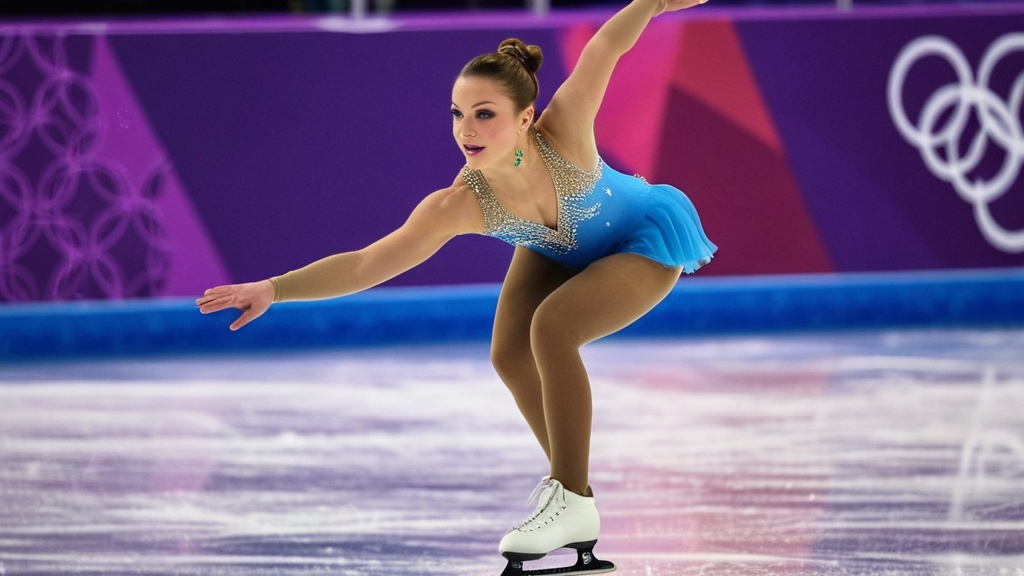
The free skate in Olympic figure skating is governed by a precise set of rules and guidelines established by the International Skating Union (ISU). These regulations dictate the required elements, their point values, and the scoring criteria, ensuring a standardized and objective competition. The free skate offers a broader scope for technical and artistic expression compared to the short program, serving as the primary determinant of the final medal standings.
Evolution of Age Eligibility
An important contextual change in figure skating is the ISU’s decision to raise the minimum age for senior international competition to 17. This adjustment impacts the developmental pathways of young skaters, encouraging them to mature physically and mentally before entering the highest echelons of the sport. For the 2026 Games, this means that all competitors will meet this minimum age requirement.
The 17-Year-Old Minimum
The ISU’s decision to implement a minimum age of 17 for senior competitions is a significant change. It aims to protect young athletes and allow for more sustained development. This rule ensures that skaters competing at the Olympic level are sufficiently prepared for the demands of the sport.
Impact on Junior Development
This change has ripple effects on junior development programs globally, as skaters now have more time to hone their skills in junior categories before transitioning to senior events.
The Core Elements of a Free Skate Program
The free skate program requires a specific combination of jumps, spins, and step sequences. Each element has a base value, which is then modified by the skater’s execution (Grade of Execution – GOE) and program component scores.
The Jump Combination
A free skate program must include seven jumps. This typically consists of a combination of difficult single, double, and triple jumps, and for the elite skaters, quadruple jumps. The Axel, with its forward takeoff and additional half rotation, is uniquely challenging and is mandated as one of the required jumps. Skaters strategically place their most challenging jumps early in the program when they are freshest, with a general trend towards incorporating them at the beginning or in the first half.
- Axel Jump: The Axel is the only jump with a forward takeoff, requiring an extra half rotation in the air, making it inherently more difficult than other jumps of the same nominal number of rotations (e.g., a triple Axel is effectively 3.5 rotations). It is a staple for top skaters and a significant scoring opportunity.
- Jump Combinations and Sequences: Skaters can link multiple jumps together to form combinations (typically two jumps) or sequences (usually a jump followed by a jump with a hops or turn in between). These are crucial for maximizing points and demonstrating technical prowess.
The Art of Spins
Skating programs also feature three spins. These are judged on their speed, centering, number of revolutions, and change of edge or position. Skaters aim for difficult positions and rapid rotations to achieve high scores.
- Variations in Spin Types: Spins can include various positions such as upright spins, sit spins, and camel spins, often performed with changes in grip or body position to increase complexity.
- Spin Combinations: Skaters can also perform combinations of different spin positions within a single spin element, further increasing difficulty.
Choreography and Flow: Step Sequences and Choreographic Sequences
Beyond jumps and spins, skaters must also demonstrate their artistry and skating skills through dynamic movement.
- Step Sequence: This element requires a series of intricate footwork, turns, and steps performed to the music. Judges evaluate the difficulty, originality, and execution of the footwork. It tests a skater’s ability to weave complex movements into their program organically, demonstrating their mastery of skating skills and flow across the ice.
- Choreographic Sequence: This element allows skaters more expressive freedom, showcasing their interpretation of the music through unique movements and gestures. It is an opportunity for them to connect with the audience and convey the emotion of their program, distinct from the purely technical demands of step sequences.
The Time Constraint: A Test of Pacing and Stamina
The free skate program has a strict maximum duration of 4 minutes. This time limit necessitates careful planning and pacing. Skaters must fit all their required elements within this timeframe while maintaining a coherent artistic narrative.
Program Pacing and Energy Management
The 4-minute window demands a strategic approach to program pacing. Skaters must manage their energy levels to ensure they can execute demanding technical elements throughout the program, particularly in the latter half when fatigue can set in.
The Artistic Arc within Time Limits
Within this limited time, skaters must still build an artistic arc, creating a compelling narrative that captivates the judges and audience. This involves seamless transitions between elements and a cohesive presentation of the music.
As the excitement builds for the 2026 Winter Olympics, the spotlight is increasingly on the women’s single skating free skating events, where athletes will showcase their artistry and technical skills. A recent article explores the evolution of figure skating and its impact on the upcoming games, highlighting how innovations in training and performance are shaping the future of the sport. For more insights, you can read the full article here.
The Psychological Crucible: Navigating Olympic Pressure
The Olympics represent the zenith of athletic competition, a stage where dreams are forged and dashed in equal measure. For figure skaters, the free skate is often the most psychologically demanding segment of the competition. The cumulative pressure of earlier rounds, coupled with the immense expectations placed upon them, creates an environment that tests the very limits of mental fortitude.
The Weight of National Expectation
Each skater arrives at the Olympics not only representing themselves but also their nation. The hopes of millions can feel like a tangible burden, especially during the free skate where individual performance directly impacts national pride and medal counts. For nations with a strong figure skating tradition, this expectation can be amplified.
From Individual Ambition to Collective Hope
The journey to the Olympics is a personal one, marked by years of dedication and sacrifice. However, once on the Olympic stage, that individual ambition becomes intertwined with the collective aspirations of their country. The free skate becomes a focal point for these hopes.
Media Scrutiny and Public Attention
The Olympic Games garner immense global media attention. Skaters are under constant scrutiny, with their every move analyzed and discussed. This heightened public profile can add another layer of pressure.
The Intricacies of Performance Under Duress
Performing complex routines under intense psychological pressure requires a unique blend of skill, resilience, and mental preparation. A skater’s ability to manage nerves, maintain focus, and adapt to unforeseen circumstances can be the difference between a celebrated victory and a disappointing outcome.
Maintaining Focus Amidst Distractions
The arena environment during an Olympic final is a whirlwind of sensory input: the roar of the crowd, the bright lights, and the palpable tension. Skaters must develop the ability to create an internal sanctuary, blocking out distractions and concentrating solely on their performance.
The ‘Zone’ of Peak Performance
Elite athletes often speak of entering a ‘flow state’ or ‘the zone’ during competition – a state of complete immersion where time seems to slow down, and their actions are executed with an almost effortless precision. Achieving this state under Olympic pressure is a significant psychological feat.
Adapting to Unexpected Challenges
Even the most meticulously planned programs can be disrupted by minor errors, a slight wobble, or a change in ice conditions. The ability to recover from a mistake, regather composure, and continue with the program with minimal disruption is a hallmark of a mentally strong skater.
The Aftermath: Dealing with Success or Disappointment
The conclusion of the free skate marks the end of a highly personal and intensely public journey. How skaters process their performance, whether it results in elation or disappointment, is a critical aspect of their athletic development and overall well-being.
FAQs
When and where will the 2026 Winter Olympics women’s single skating free skating event take place?
The women’s single skating free skating event at the 2026 Winter Olympics will be held in February 2026. The Games are hosted by Milan and Cortina d’Ampezzo, Italy, with figure skating events typically taking place in one of the designated ice arenas in these locations.
What does the women’s single skating free skating program consist of?
The free skating program for women’s single skating is a long program where skaters perform a routine lasting 4 minutes. It includes a combination of jumps, spins, step sequences, and choreographic elements, showcasing technical skills and artistic expression.
How are the performances scored in the women’s single skating free skating event?
Performances are scored using the International Skating Union (ISU) Judging System, which evaluates technical elements (jumps, spins, footwork) and program components (skating skills, transitions, performance, composition, interpretation). Scores from the short program and free skating are combined to determine final standings.
Who are the top contenders expected in the 2026 women’s single skating free skating?
While the list of competitors will be finalized closer to the event, top contenders typically include reigning world champions, Olympic medalists, and leading skaters from countries with strong figure skating traditions such as Russia, Japan, the United States, and Canada.
How can fans watch the women’s single skating free skating event at the 2026 Winter Olympics?
The event will be broadcast internationally by various Olympic broadcasting partners. Fans can watch live coverage on television networks, official Olympic streaming platforms, and through authorized online streaming services depending on their region.