

Biohacking, a burgeoning field focused on optimizing human performance and well-being through scientific and technological interventions, is experiencing a significant evolution. Once confined to niche communities, biohacking is increasingly integrating with mainstream wellness, driven by advancements in data analysis, personalized medicine, and a deeper understanding of human physiology. This article explores the emerging trends in biohacking, examining the technologies, methodologies, and underlying philosophies shaping the future of self-optimization.
This exploration aims to provide a factual overview of biohacking’s current trajectory, illuminating the intricate ways individuals are seeking to understand and enhance their physical and cognitive capabilities.
At its core, contemporary biohacking is less about radical experimentation and more about informed self-management, drawing heavily on an individual’s unique biological data. The accessibility of sophisticated diagnostic tools and wearable technology has created a feedback loop, allowing for a granular understanding of one’s internal landscape.
Wearable Technology: The Biohacker’s Dashboard
Wearable devices, once primarily used for tracking steps and heart rate, have evolved into sophisticated bio-monitoring tools. These devices serve as the primary interface for many biohackers, translating complex physiological signals into actionable insights.
Real-Time Biomarker Tracking
The latest generations of wearables are moving beyond basic metrics to monitor a wider array of biomarkers. By integrating technologies such as continuous glucose monitors (CGMs) with other sensors, these devices can provide a holistic view of metabolic health, sleep patterns, cardiovascular function, and even stress levels in real-time. This continuous stream of data acts as a digital mirror, reflecting the body’s responses to diet, exercise, sleep, and environmental factors.
Identifying Subtle Imbalances
The granularity of data collected by advanced wearables allows for the identification of subtle physiological imbalances that might otherwise go unnoticed. By observing trends and deviations from personalized baselines, individuals can proactively address potential health issues before they manifest as overt symptoms. This predictive capability is a hallmark of the modern biohacking approach.
Genetic and Microbiome Analysis: Unlocking Biological Blueprints
Beyond what wearables can capture moment-to-moment, genetic and microbiome analyses offer deeper insights into an individual’s predismas against certain conditions and predispositions for specific responses.
Genetic Predispositions and Nutritional Guidance
Genetic testing provides a roadmap of an individual’s inherited biological blueprint. While not deterministic, this information can reveal predispositions to certain health conditions, as well as variations in how the body metabolizes nutrients. Biohackers utilize this data to tailor dietary recommendations, supplementation strategies, and lifestyle choices, aiming to mitigate genetic risks and optimize nutrient utilization.
The Gut Microbiome: A Second Brain
The trillions of microorganisms residing in the gut, collectively known as the microbiome, play a crucial role in digestion, immunity, and even mental health. Advanced microbiome testing allows biohackers to assess the diversity and composition of their gut flora. This information is then used to inform targeted interventions, such as dietary adjustments and the use of specialized probiotic and postbiotic supplements. The goal is to cultivate a balanced and resilient gut ecosystem, recognizing its profound influence on overall health and well-being.
AI-Driven Personalized Wellness Platforms: The Orchestrator of Health
The convergence of wearable data, genetic information, and microbiome analysis creates a data-rich environment ripe for artificial intelligence (AI) to take center stage. AI-driven platforms are emerging as powerful tools for interpreting this complex data and translating it into personalized health recommendations.
Hyper-Customized Health Strategies
These platforms act as intelligent assistants, synthesizing vast amounts of personal data to identify specific stressors, hormonal imbalances, and suboptimal physiological states. By analyzing patterns across diverse data sources, AI algorithms can generate highly individualized wellness plans. These plans can encompass dietary advice, exercise regimens, sleep optimization techniques, and stress management strategies, all tailored to the unique biological profile of the user.
Proactive Health Management
The ability of AI to identify granular issues before they become significant problems represents a shift towards proactive health management. Instead of reacting to illness, biohackers leverage these platforms to build resilience and prevent future health challenges. The AI acts as a constant vigilant observer, flagging potential concerns and suggesting interventions to maintain optimal function.
Bio-hacking trends have gained significant attention as individuals seek to optimize their health and performance through various unconventional methods. One related article that explores the intersection of nutrition and wellness is titled “Best Wet Dog Food for 2023,” which discusses the importance of high-quality ingredients in pet food and how they can influence overall well-being. While the focus is on canine nutrition, the principles of selecting nutrient-dense foods can also be applied to human diets in the context of bio-hacking. For more insights, you can read the article here: Best Wet Dog Food for 2023.
Beyond Longevity: The Rise of Everyday Wellness and Resilience
While the pursuit of longevity has long been a driver of biohacking, the current wave emphasizes a more sustainable and holistic approach. The focus is shifting from an outward chase for an extended lifespan to an inward quest for robust health and vitality throughout one’s existing years.
Longevity Focused on Everyday Wellness
The emphasis is on building a strong foundation of health and resilience that naturally contributes to a longer, more vibrant life, rather than solely targeting anti-aging mechanisms. This involves cultivating sustainable habits that support daily energy, reduce the risk of future chronic diseases, and enhance the body’s ability to adapt to challenges.
Maintaining Daily Energy and Vitality
Instead of seeking dramatic age reversal, the focus is on optimizing daily physiological processes to ensure consistent energy levels, improved cognitive function, and enhanced mood. This involves ensuring adequate sleep, balanced nutrition, and effective stress management techniques that contribute to a feeling of well-being on a day-to-day basis.
Reducing Future Health Risks
The long-term implications of daily choices are paramount. Biohacking in this context involves identifying and mitigating factors that contribute to chronic diseases such as cardiovascular issues, metabolic disorders, and neurodegenerative conditions. This proactive approach aims to build a biological buffer against future health declines.
Building Long-Term Body Resilience
Resilience is the capacity of the body and mind to withstand and recover from stressors, both physical and psychological. Emerging trends in biohacking focus on cultivating this resilience through a variety of interventions, from optimizing the nervous system to building robust metabolic flexibility. The goal is to create an individual who can not only cope with challenges but thrive in the face of them.
Nervous System and Stress Management: The New Frontier
The intricate workings of the nervous system, particularly its response to stress, have become a central area of focus for modern biohackers. Recognizing that chronic stress is a pervasive contributor to illness and diminished performance, interventions are increasingly geared towards its effective management and regulation.
Breathing Techniques for Nervous System Regulation
The practice of conscious breathing, long recognized for its calming effects, is now being integrated into biohacking protocols. Specific breathing exercises are employed to shift the autonomic nervous system from a sympathetic “fight-or-flight” state to a parasympathetic “rest-and-digest” state. This can lead to reduced heart rate, lower blood pressure, and a greater sense of calm and focus.
Recovery as a Performance Enhancer
The importance of recovery is being elevated from a passive period of recuperation to an active component of optimizing performance. This includes not only adequate sleep but also strategies like active recovery sessions, mindfulness, and therapeutic modalities designed to aid muscle repair and reduce inflammation.
Gentler Exercise Modalities
While high-intensity training remains valuable for some, there is a growing appreciation for gentler forms of exercise that support nervous system health and reduce systemic stress. Practices like yoga, tai chi, and mindful movement are being recognized for their benefits in improving flexibility, promoting relaxation, and enhancing mind-body connection.
Improved Evening Routines for Sleep and Restoration
The transition from wakefulness to sleep is critical for physiological restoration. Biohackers are paying close attention to evening routines, minimizing exposure to artificial blue light, engaging in calming activities, and creating a conducive sleep environment. This focus on pre-sleep rituals is essential for optimizing sleep quality, which in turn impacts overall health and performance.
Synchronizing with the Body’s Natural Rhythms: Circadian and Light Therapy

Embracing the body’s innate biological clock—the circadian rhythm—is a core tenet of current biohacking trends. Understanding and working with these natural cycles, particularly concerning light exposure, sleep, and activity, is seen as a foundational element for optimizing health.
Circadian Rhythm Optimization: Aligning with Nature’s Clock
The circadian rhythm, an approximately 24-hour cycle that regulates a wide range of physiological processes, including sleep-wake patterns, hormone release, and body temperature, is being actively managed. The goal is to synchronize daily activities with these natural rhythms to enhance well-being.
Morning Light Exposure for Wakefulness and Mood
Exposure to bright light, especially sunlight, shortly after waking is a key strategy for signaling the body to wake up and suppressing melatonin production. This practice helps to anchor the circadian rhythm, promoting alertness during the day and facilitating better sleep at night.
Calmer Evenings to Prepare for Sleep
As the evening progresses, exposure to dim, warm-toned light is encouraged to support the natural rise in melatonin, the hormone that promotes sleep. This involves reducing exposure to bright overhead lights and, crucially, limiting screen time from electronic devices due to their blue light emissions.
Reduced Late-Night Screen Time for Improved Sleep Quality
The blue light emitted from smartphones, tablets, and computer screens can disrupt melatonin production and delay sleep onset. Biohacking strategies often involve setting strict limits on screen usage in the hours before bedtime, opting for analog activities or using blue-light filtering glasses if screen use is unavoidable. The objective is to create a clear signal to the body that it is time to wind down and prepare for restorative sleep.
Advanced Light Therapy: Beyond Basic Phototherapy
Light therapy, a modality that utilizes specific wavelengths of light for therapeutic purposes, has advanced significantly. Modern approaches employ a more nuanced understanding of how light interacts with biological tissues.
Multi-Wavelength Photobiomodulation
Instead of relying on isolated bands of light, advanced photobiomodulation (PBM) techniques now utilize multiple wavelengths simultaneously. This multi-wavelength approach is believed to offer more targeted and effective therapeutic applications. Different wavelengths penetrate tissues to varying depths and have distinct biological effects, allowing for customized treatments for conditions ranging from inflammation and pain to tissue repair and cognitive enhancement.
Stay updated with the latest innovations by visiting Learn more technology news at AITV.
Emerging Technologies in Biohacking: Advanced Tools for Deeper Insight
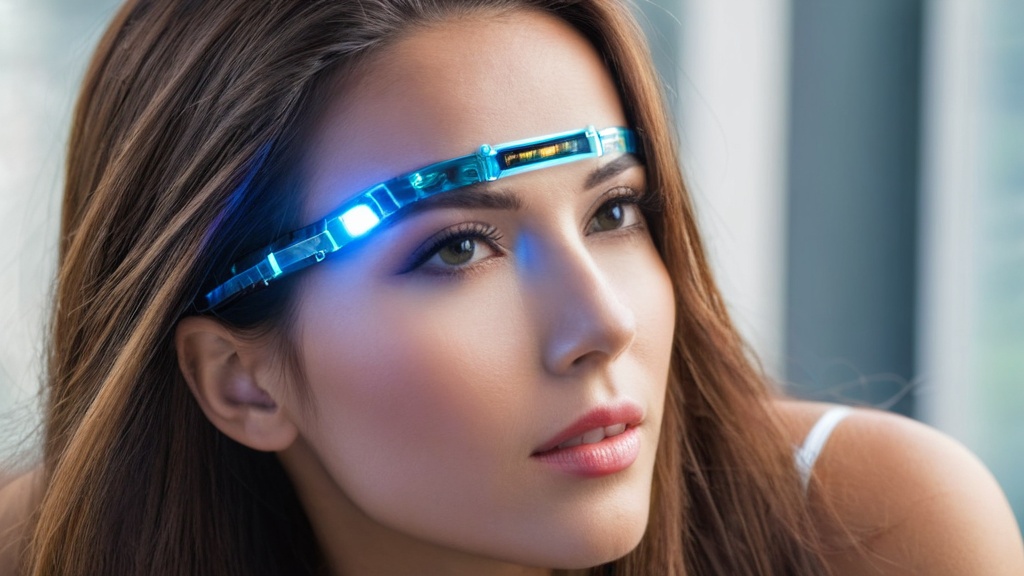
The biohacking landscape is constantly being reshaped by innovative technologies that offer new avenues for understanding and influencing the body. These advancements are pushing the boundaries of what is possible in the realm of self-optimization.
Multi-Sensor Continuous Health Monitors
The evolution from single-function health trackers to comprehensive multi-sensor devices signifies a major leap in continuous health monitoring. These devices aim to provide a more complete and integrated picture of an individual’s health status without the need for frequent invasive procedures.
Replacing Frequent Blood Work
The ambition of these advanced monitors is to reduce or even eliminate the need for routine blood draws for certain biomarkers. By continuously tracking multiple physiological signals, they can provide real-time data that mimics the information obtained from periodic laboratory tests, offering a more dynamic and immediate understanding of health trends.
Tracking Multiple Biomarkers in Real-Time
These devices integrate a variety of sensing technologies to monitor several key health indicators simultaneously. This can include metrics related to glucose levels, hydration, electrolyte balance, hormonal fluctuations, and stress markers. The convergence of this data provides a more holistic and nuanced view of the body’s internal environment.
Peptide Therapies: A Controversial Frontier
Peptide therapies have emerged as a significant, albeit controversial, area within biohacking. These are short chains of amino acids that can mimic or influence the actions of naturally occurring hormones and proteins in the body.
Unapproved Gray-Market Peptides
A substantial portion of the discussion around peptide therapies in biohacking discussions revolves around peptides that are unapproved by regulatory bodies for human use. These are often sourced from the “gray market” and are used by some individuals, particularly within the tech industry, for perceived benefits in areas such as weight loss and performance enhancement.
Potential Applications and Ethical Considerations
While research into the therapeutic potential of some peptides is ongoing, the unregulated nature of many substances used in biohacking raises significant safety and ethical concerns. The lack of rigorous clinical trials and quality control for many gray-market peptides means that users are often taking substances with unknown risks and uncertain efficacy. This area demands a cautious and informed approach, emphasizing the importance of consulting with qualified healthcare professionals.
As bio-hacking trends continue to gain momentum, many individuals are exploring innovative ways to enhance their physical and mental performance. One fascinating aspect of this movement is the intersection of technology and wellness, which can be seen in various initiatives aimed at improving quality of life. A related article discusses the inspiring work of K9s for Warriors, which celebrates a milestone achievement in providing service dogs to veterans. This initiative not only highlights the importance of mental health support but also showcases how unconventional methods can lead to significant improvements in well-being. To learn more about this remarkable program, you can read the full article here.
The Future of Biohacking: Systems Integration and Body Literacy
The most impactful emergent trends in biohacking point towards a future where interventions are not isolated hacks but rather interconnected strategies designed to work holistically with the body’s complex systems. Furthermore, a growing emphasis on empowering individuals with a deep understanding of their own biology is becoming paramount.
Body Literacy and Personalized Approaches
The era of generic health advice is giving way to a more profound emphasis on understanding and acting upon one’s individual biology. This involves developing a deep awareness of how one’s body functions, reacts, and best responds to various stimuli.
Moving Away from One-Size-Fits-All Protocols
The recognition that each individual’s genetic makeup, lifestyle, medical history, and stress responses are unique has led to a rejection of universal health recommendations. Biohacking is increasingly about tailoring interventions to the individual, rather than forcing the individual to conform to a standardized protocol.
Informed by Personal Biology, Medical History, and Stress Responses
Body literacy equips individuals with the knowledge to interpret their own biological signals and to understand how their personal history and current stress levels influence their health. This empowers them to make informed decisions about diet, exercise, sleep, and other lifestyle choices that are most beneficial for their specific needs.
Systems-Based Integrative Approaches
The most sophisticated biohacking is moving beyond individual interventions to embrace a holistic, systems-based perspective. This approach recognizes that health is not a product of isolated factors but rather the result of complex interactions between environment, biology, behavior, and technology.
Unified Health Strategies
Instead of employing a single biohack in isolation, individuals and practitioners are increasingly developing integrated health strategies. These strategies aim to harmonize various aspects of wellness, recognizing that improvements in one area can have cascading positive effects on others.
Combining Environment, Biology, Behavior, and Technology
An integrative approach considers the interplay of all these elements. For instance, optimizing one’s environment (e.g., light exposure, air quality) can support the body’s biological rhythms, which in turn influences behavior (e.g., sleep patterns, eating habits). Technology then serves as a tool to monitor, analyze, and further refine these interactions, creating a virtuous cycle of health optimization. This comprehensive viewpoint represents the cutting edge of biohacking, moving towards a truly personalized and sustainable path to enhanced well-being.
FAQs
What is bio-hacking?
Bio-hacking refers to the practice of using science, technology, and lifestyle changes to enhance the body’s performance, health, and well-being. It can range from simple dietary adjustments to advanced genetic modifications.
What are some common bio-hacking trends?
Common bio-hacking trends include intermittent fasting, nootropic supplements, wearable health trackers, sleep optimization techniques, and DIY biology experiments such as gene editing.
Is bio-hacking safe?
The safety of bio-hacking varies widely depending on the methods used. Lifestyle changes like diet and exercise are generally safe, while more experimental approaches like genetic modification carry significant risks and should be approached with caution.
Who typically practices bio-hacking?
Bio-hacking is practiced by a diverse group including health enthusiasts, scientists, tech professionals, and individuals seeking to improve their physical and mental performance.
What are the potential benefits of bio-hacking?
Potential benefits of bio-hacking include improved cognitive function, increased energy levels, better sleep quality, enhanced physical performance, and overall improved health and longevity.