
I’ve always been drawn to the gentle whisper of nature, to the idea that healing might not always require harsh interventions, but rather a nudge in the right direction, an encouragement for my body to remember its innate capacity for balance. This curiosity led me down a winding path, exploring the diverse world of natural remedies. What started as an academic interest has slowly woven its way into my personal philosophy, especially as I navigate a world increasingly embracing holistic well-being. Today, I want to share my journey through some of the most fascinating natural therapies, reflecting on the latest insights and my own evolving understanding.
For years, I viewed acupuncture with a blend of skepticism and intrigue. The idea of tiny needles stimulating specific points on my body to alleviate ailments seemed almost mystical. However, as I delved deeper, I discovered a rich history intertwined with an increasingly robust scientific basis. My appreciation for this ancient practice has grown immensely, especially with the recent surge of empirical evidence supporting its efficacy.
Stronger Support for Pain Relief
My research into acupuncture has consistently highlighted its growing acceptance as a legitimate pain management strategy. Recent reviews have solidified my conviction, emphasizing its value as a “practical, low-risk option for acute and chronic pain management.” This finding resonates deeply with me, as I often seek approaches that minimize side effects and optimize long-term well-being. The notion that clinical evidence is steadily accumulating provides a sense of reassurance, transforming acupuncture from an alternative therapy into a well-supported medical intervention in my eyes. I’ve seen firsthand how chronic pain can erode one’s quality of life, and the prospect of a safe and effective remedy like acupuncture offers a beacon of hope for many struggling individuals.
Unveiling Biological Mechanisms
One of the most captivating aspects of recent acupuncture research, for me, is the shift from anecdotal accounts to quantifiable biological explanations. I find it incredibly validating that “newer reporting suggests acupuncture may work through measurable biological effects.” This includes mechanisms such as immune activation, the release of pain-modulating chemicals – our body’s natural painkillers – and fascinating changes in brain activity. This level of detail elevates acupuncture from a mere placebo effect, in my mind, to a sophisticated intervention that interacts with our intricate physiological systems. It suggests that those tiny needles are not just a distraction, but a catalyst for profound internal adjustments. Understanding these mechanisms helps me not only to appreciate the practice more deeply but also to explain it to others who might still harbor doubts.
Conditions Where Acupuncture Shines
As an advocate for evidence-based practice, I am particularly interested in identifying where acupuncture demonstrates the strongest efficacy. My findings indicate that “evidence for acupuncture is strongest for certain conditions.” This includes a broad spectrum of chronic pain issues, which is precisely where conventional medicine often struggles. I’ve noted its particular effectiveness in managing chronic pain generally, as well as specific ailments like neck and shoulder pain, lower back pain, and the pervasive discomfort of fibromyalgia. Furthermore, its utility for certain “headache-related uses” has come to my attention. This focused understanding allows me to recommend acupuncture with greater confidence for individuals suffering from these specific conditions, knowing that they are likely to experience tangible benefits. It’s about aligning the right therapy with the right ailment, a principle I hold dear in my exploration of natural remedies.
Natural remedies have gained popularity in recent years, with practices such as acupuncture and the use of CBD becoming more mainstream for managing various health issues. These alternative therapies are often sought after for their potential benefits in pain relief, anxiety reduction, and overall wellness. For those interested in exploring the intersection of holistic health and modern approaches, a related article can be found at this link, which discusses the experiences of military veterans in seeking natural remedies for their health challenges.
CBD: Navigating a Controversial Landscape
My journey with natural remedies wouldn’t be complete without exploring the burgeoning world of Cannabidiol, or CBD. It’s a substance that has captivated public attention and generated both fervent enthusiasm and considerable debate. As someone committed to understanding the nuances of these therapies, I’ve approached CBD with a healthy dose of caution and a hunger for concrete evidence.
Skepticism Regarding Pain Relief Claims
Despite the widespread marketing and anecdotal claims, my research has revealed a much more nuanced and, at times, disappointing picture regarding CBD’s effectiveness for pain. I was particularly struck by a recent review that concluded, “no good evidence that consumer CBD products reduce chronic pain.” This finding often contrasts sharply with the narratives I hear from friends and online communities. It serves as a stark reminder of the importance of critical evaluation and not being swayed solely by popular opinion. The review’s additional warning that CBD products “may be harmful or mislabeled” further solidifies my cautious stance. It highlights the urgent need for greater regulation and transparency in this rapidly expanding market. For me, the current lack of robust, independent clinical trials is a significant hurdle in fully embracing CBD as a go-to pain relief solution.
Concerns About Product Quality and Safety
The issue of mislabeling and potential harm is a major concern for me when considering CBD. I’ve learned that the unregulated nature of the industry means that what’s on the label might not always match what’s in the bottle. This lack of standardization makes it incredibly difficult for me, or anyone, to confidently recommend or use these products. Are they truly free of THC? Do they contain the advertised dosage of CBD? Are there contaminants? These are critical questions that, without proper oversight, often remain unanswered. My ethical considerations deeply influence my perspective here; I believe that any product marketed for health benefits should meet rigorous safety and quality standards, a standard that many current CBD offerings simply do not achieve.
The Evolving Research Landscape
Despite these reservations, I acknowledge that the scientific community is actively investigating CBD, particularly through the lens of traditional Chinese medicine (TCM). I find myself watching the space with a discerning eye, eager for more definitive answers. “Recent commentary on CBD in traditional Chinese medicine says research is still evolving,” and this evolution is something I’m keenly following. There’s ongoing interest in exploring CBD’s potential roles in anxiety, sleep disturbances, and neuropathic pain. The prospect of understanding its mechanisms and optimal applications is intriguing, but for now, I remain firmly in the “wait and see” camp regarding its broader utility, especially concerning chronic pain. My hope is that future research will provide the clarity and robust evidence that is currently lacking.
Integrative Approaches: Blending Old and New
My exploration of natural remedies isn’t about choosing one path over another, but rather understanding how different modalities might synergistically enhance well-being. This perspective naturally leads me to the fascinating realm of integrative practices, where ancient wisdom meets contemporary discoveries.
Combining CBD with Acupuncture: A Promising Frontier
I’ve been particularly interested in the emerging trend of “integrative practitioners combining CBD with acupuncture.” This approach, to me, represents a natural evolution in holistic healthcare, seeking to leverage the potential benefits of both therapies. Conceptually, it makes sense: acupuncture for its established mechanisms in pain modulation and brain activity, and CBD for its potential, albeit less proven, anti-inflammatory or anxiolytic properties. However, my excitement is tempered by a healthy dose of realism. As the current research indicates, “the evidence base is still limited,” particularly when considering “long-term effects and standardized dosing.” This combination, while intuitively appealing, requires significant rigorous study before I could fully endorse it. It’s a testament to the dynamic nature of natural medicine, where new ideas constantly emerge, but the scientific validation process must follow diligently.
The Need for Rigorous Studies
My ongoing commitment to evidence-based practice means that I emphasize the critical importance of rigorous scientific investigation, especially when considering novel combinations like CBD and acupuncture. While anecdotal reports can be compelling, they rarely provide the comprehensive data needed to establish efficacy, safety, and optimal protocols. I believe that systematic reviews, randomized controlled trials, and long-term observational studies are essential to understand the true impact of such integrative approaches. Without them, we risk operating on assumptions rather than substantiated facts. My hope is that the scientific community will prioritize these investigations, providing practitioners and patients alike with clear guidelines for safe and effective integration.
Personalized Medicine and Holistic Care
Ultimately, my journey through natural remedies reinforces my belief in personalized medicine and a holistic approach to care. What works for one person may not work for another, and true healing often involves addressing multiple dimensions of an individual’s health – physical, mental, and emotional. Integrating therapies like acupuncture and potentially CBD, once thoroughly vetted, could offer powerful tools in this personalized approach. It’s about creating a comprehensive strategy that empowers individuals to take an active role in their health journey, guided by both ancient wisdom and cutting-edge science.
Sure, here is the sentence with the clickable link:
I love reading about the latest pet news, you can find More of Enzo’s Pet News here.
Beyond the Needles and Cannabinoids: Exploring Other Natural Allies
While acupuncture and CBD have been front and center in my recent explorations, my interest in natural remedies extends far beyond them. I’ve always believed that nature offers a vast pharmacopeia, and I continually seek to understand other botanical and lifestyle interventions that can support health and well-being.
Herbal Medicine: A Time-Honored Tradition
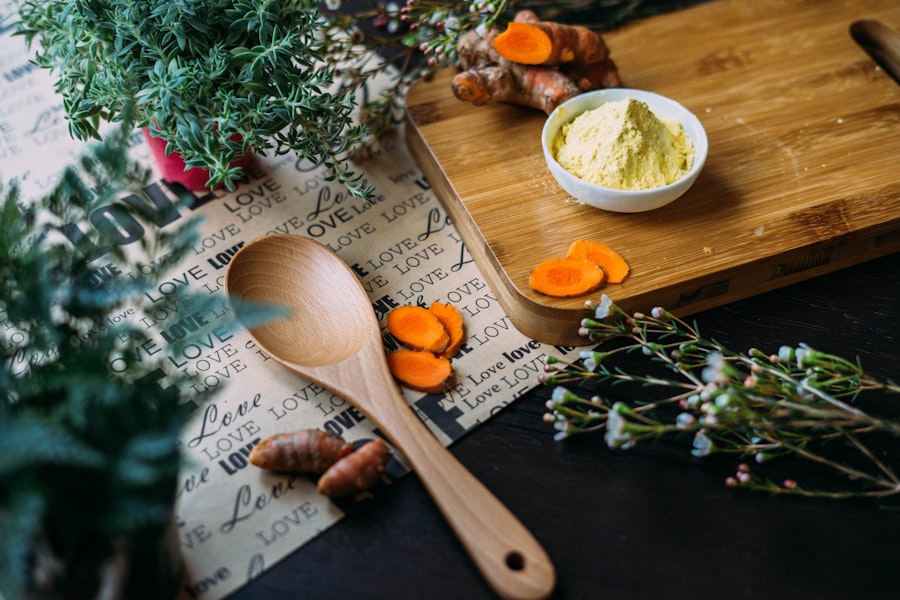
My fascination with the healing power of plants is deeply ingrained. I’ve spent countless hours studying various herbal traditions, from Western herbalism to Ayurvedic and Traditional Chinese Medicine. I am particularly drawn to the concept of adaptogens, herbs like Ashwagandha and Rhodiola, which are believed to help the body adapt to stress. I’ve found that incorporating certain herbs, under the guidance of knowledgeable practitioners, can offer subtle yet profound support for various bodily systems. For example, I’ve personally experienced the calming effects of chamomile and the digestive benefits of ginger. The key, I’ve learned, is to respect their potency and understand that they are not always benign. Just like pharmaceuticals, herbs have active constituents and potential interactions, necessitating a careful and informed approach.
Mind-Body Practices: Cultivating Inner Harmony
My understanding of natural remedies would be incomplete without acknowledging the profound impact of mind-body practices. I’ve personally found immense benefit in practices like mindfulness meditation and yoga. These aren’t just about relaxation; they are powerful tools for self-regulation, stress reduction, and cultivating a deeper connection to my own body. The scientific literature increasingly supports their role in managing chronic pain, improving sleep, and reducing anxiety and depression. I’ve learned that a balanced mind is often a prerequisite for a healthy body, and these practices offer a pathway to achieving that equilibrium without relying on external substances. They empower me to actively participate in my healing process, fostering resilience and inner peace.
Nutritional Therapy: Fueling the Body’s Healing Capacity
I strongly believe that food is medicine. My personal journey has taught me the undeniable link between what I eat and how I feel. I’ve explored various dietary approaches, from anti-inflammatory diets to gut-healing protocols, always with an eye toward supporting my body’s natural healing processes. I’ve learned the importance of whole, unprocessed foods, abundant fruits and vegetables, and healthy fats. My understanding of the microbiome and its impact on overall health has revolutionized my approach to nutrition. I see it not as a restrictive regimen, but as an opportunity to provide my body with the optimal fuel it needs to thrive and prevent illness. It’s a constant learning process, but one that consistently yields tangible improvements in my energy levels, mood, and overall vitality.
The Power of Movement and Nature Exposure
Finally, I cannot overstate the importance of physical activity and spending time in nature. For me, regular movement, whether it’s a vigorous hike or a gentle yoga flow, is a non-negotiable part of my well-being routine. It not only strengthens my body but also clears my mind and boosts my mood. Equally important is my connection to the natural world. I find solace and rejuvenation in forests, by the ocean, or even simply tending to my garden. The concept of “forest bathing” (Shinrin-yoku) resonates deeply with me; the sensory experience of nature has a profound calming effect and reduces stress. These simple, yet powerful, natural remedies are accessible to everyone and offer a foundational layer of support for overall health that I integrate into my daily life.
Natural remedies have gained popularity in recent years, with many people turning to options like acupuncture and CBD for relief from various ailments. These holistic approaches are often sought after for their potential benefits without the side effects commonly associated with pharmaceuticals. If you’re interested in exploring more about the benefits of natural remedies, you might find this article on dog nutrition particularly insightful, as it highlights the importance of holistic care for pets, which can parallel the growing trend of natural treatments for humans.
My Evolving Philosophy on Holistic Health
My continuous exploration of natural remedies has profoundly shaped my philosophy on health. I’ve come to understand that true well-being is a dynamic interplay of many factors, not just the absence of disease. It’s an ongoing journey of learning, adapting, and listening to my body’s wisdom.
The Importance of Integration and Individualization
I no longer view conventional medicine and natural remedies as opposing forces. Instead, I see them as complementary tools in a comprehensive healthcare toolkit. My evolving philosophy emphasizes the importance of integrating the best of both worlds, always with a focus on the individual. What works for one person’s chronic pain might be different from another’s; one might benefit most from acupuncture, another from a specific herbal blend, and yet another from a combination thereof with conventional treatments. This individualized approach is paramount, acknowledging the unique biochemistry, lifestyle, and preferences of each person. There’s no one-size-fits-all solution, and that understanding empowers me to seek out tailored strategies for my own health and to advocate for it in others.
The Role of Evidence and Critical Thinking
Throughout my journey, I’ve tried to maintain a keen sense of critical thinking. While I am open to anecdotal experiences and traditional wisdom, I always return to the importance of scientific evidence. That’s why the latest research on acupuncture’s biological effects or the cautionary notes on CBD’s efficacy are so significant to me. It’s about striking a balance between an open mind and a discerning eye, ensuring that my embrace of natural remedies is rooted in safety and effectiveness. My commitment is to seek out reputable sources, consult with qualified practitioners, and critically evaluate claims, distinguishing between well-substantiated therapies and those that require further investigation.
Empowerment Through Knowledge and Choice
Ultimately, my exploration of natural remedies has been a journey of empowerment. The more I learn, the more agency I feel over my own health. Understanding the diverse options available, the mechanisms behind them, and the evidence supporting their use allows me to make informed choices that align with my values and health goals. It’s about moving beyond passive patienthood to active participation in my well-being, collaborating with healthcare professionals to craft a holistic and personalized path forward. This proactive approach to health, informed by both ancient wisdom and modern science, is what truly excites me about the evolving landscape of natural remedies.