
While the mainstream news cycle remains locked on high-profile geopolitical conflicts and domestic political theater, several urgent systemic crises are unfolding quietly in the background. From local battles over tech infrastructure to global human rights concerns, here are five crucial stories demanding attention right now.
1. The Hidden Cost of AI Infrastructure
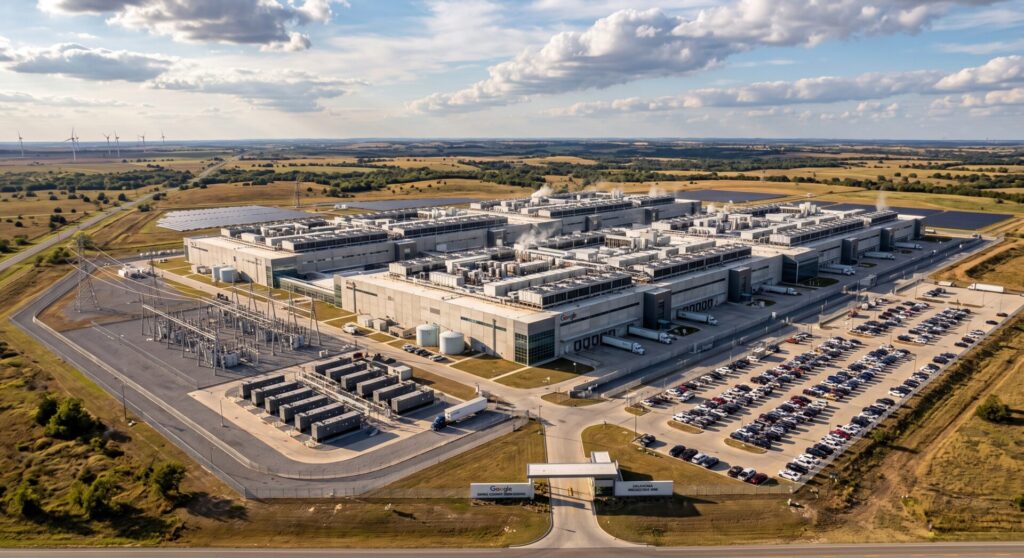
The corporate press continues to fixate on AI breakthroughs and high-level safety accords, but a very physical battle is brewing at the local level. As tech giants race to scale their artificial intelligence capabilities, the massive energy and environmental footprint required to run new, hyper-dense data centers is triggering severe pushback from local communities.
These facilities require extraordinary amounts of electricity and millions of gallons of water for cooling, threatening to strain local grids and deplete regional water tables. Despite growing grassroots opposition to zoning changes and infrastructure approvals, this mounting environmental cost remains largely eclipsed by the hype surrounding generative AI.
2. Missouri’s Preventable Maternal Health Crisis
A systemic failure in maternal care is flying dangerously under the radar in Missouri. The state is currently facing a continued rise in preventable maternal deaths, driven in part by a critical gap in medical protocols: Missouri still does not require healthcare providers to ask pregnant patients about their mental health.
Without mandated screening for perinatal mood and anxiety disorders, warning signs are consistently missed. Mental health conditions remain a leading underlying cause of pregnancy-related deaths nationwide, yet Missouri’s regulatory blind spot means countless vulnerable women are slipping through the cracks of the healthcare system before they ever receive the intervention they need.
3. The Toxic Aftermath of the Maui Wildfires
The catastrophic Maui wildfires have long faded from the front pages, but the physical toll on survivors is just beginning to materialize. A newly released study reveals that residents living near the burn zones in Lahaina are exhibiting elevated levels of heavy metals in their bodies.
These toxic exposures are directly linked to the inhalation of aerosolized ash and debris from the destroyed infrastructure. Medical professionals are now warning of severe, long-term impacts on the respiratory health of the local population, transforming a localized natural disaster into an ongoing, chronic public health emergency.
4. Congo’s Spiraling Ebola Outbreak
As global attention and humanitarian resources remain heavily concentrated on conflicts in the Middle East and Eastern Europe, a severe health crisis in the Democratic Republic of the Congo is being critically ignored. The DRC is currently battling an escalating Ebola outbreak that has surged past 8,000 confirmed cases.
The virus is spreading in regions already destabilized by complex local conflicts and strained medical infrastructure. Without a rapid influx of international medical support, vaccines, and targeted media attention to drive funding, the outbreak remains largely out of control, threatening to spill across regional borders.
5. The UN Cybercrime Treaty’s Threat to Human Rights
Under the guise of global cybersecurity cooperation, a controversial new UN Cybercrime Treaty is advancing rapidly—and independent media and human rights advocates are raising major red flags.
Critics warn that the treaty’s language is dangerously broad and has the strong backing of several autocratic nations. By failing to establish strict human rights safeguards, the treaty provides a legal framework that oppressive regimes could easily weaponize. Advocates fear it will be used as a Trojan horse to justify mass surveillance, suppress global dissent, and prosecute journalists and activists across international borders under the pretense of fighting “cybercrime.”