
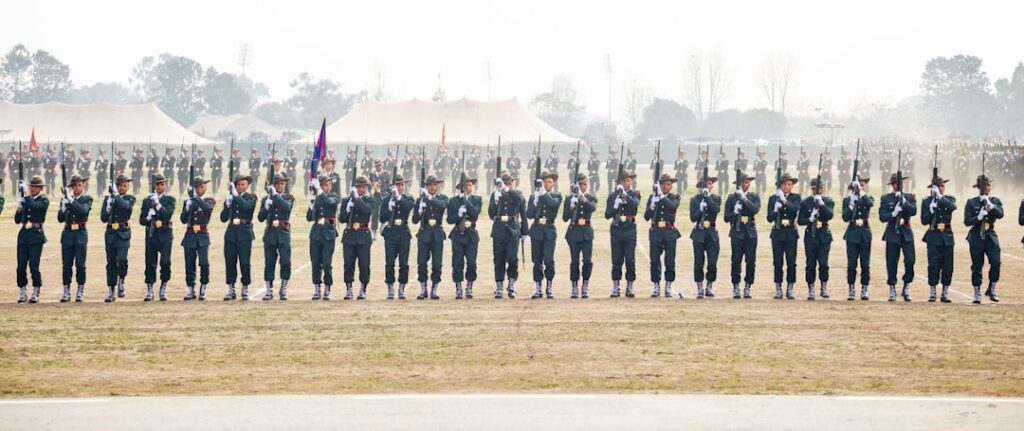
We often find ourselves at a crossroads when discussing the preparedness of our military. The question of whether we are truly ready to face the multifaceted challenges of a complex global landscape is one that demands rigorous, objective assessment, free from the often-blinding glare of national pride or the comforting illusion of invincibility. It is not enough to simply declare ourselves prepared; we must delve into the granular realities of our capabilities, our limitations, and the evolving threats that shape our strategic outlook.
The geopolitical currents are undeniably shifting, presenting us with a dynamic and often unpredictable array of challenges. We observe a world where regional tensions can quickly escalate, and where the lines between conventional and unconventional warfare are increasingly blurred.
Emerging Adversaries and Asymmetric Warfare
We are no longer solely focused on state-on-state conventional conflict. The rise of non-state actors, often employing asymmetric tactics, presents a different kind of threat. We must assess our readiness not just for massive armored engagements but also for distributed, adaptive responses to adversaries who do not play by traditional rules. This requires a significant rethinking of our training protocols and equipment procurement.
Technological Proliferation and Cyber Warfare
Our adversaries, both state and non-state, are increasingly sophisticated in their technological capabilities. We see a landscape where cyberattacks can cripple critical infrastructure, and where advanced weaponry is accessible to a wider array of actors. Our readiness must encompass not only our ability to project power physically but also to defend our digital frontiers and operate effectively in contested cyber environments. This extends to our ability to counter sophisticated disinformation campaigns, which can erode trust and destabilize societies from within.
Geographic Hotspots and Prolonged Engagements
The enduring tensions in regions like the Middle East, particularly with actors such as Iran, signal the potential for prolonged and complex engagements. The recent observations from March 31, 2026, regarding potential ground war readiness amid military build-ups and strategic deployments, underscore the seriousness of these flashpoints. We must consider the implications of such prolonged involvements on our personnel, our resources, and our national resolve. The notion of a “short war” is, in many contexts, a dangerous illusion.
The topic of US military readiness is critical in today’s rapidly changing global landscape, and a recent article sheds light on the implications of emerging technologies on defense strategies. For a deeper understanding of how artificial intelligence and other innovations are shaping military preparedness, you can read more in this related article: here. This piece explores the intersection of technology and military operations, highlighting the importance of adapting to new challenges.
Assessing Our Material Readiness: Beyond the Numbers
While we often cite statistics on equipment and personnel, a deeper dive reveals a more nuanced picture of our material readiness. It is not simply about having hardware, but about its operational readiness, its maintenance, and its suitability for the challenges we face.
Equipment Availability and Maintenance Bottlenecks
The March 5, 2026, GAO report brought to light concerning trends regarding delayed maintenance and equipment availability issues, specifically mentioning CH-47 helicopters. This is not an isolated incident; it speaks to systemic issues within our sustainment chains. We must acknowledge that an aircraft or vehicle in a hangar awaiting repairs is, for all practical purposes, unavailable for operational use. This directly impacts our ability to project power and maintain a robust presence in critical regions.
Aging Infrastructure and Logistics Challenges
Beyond specific pieces of equipment, we must also consider the state of our broader military infrastructure. Are our bases and ports capable of supporting rapid deployments and sustained operations? Are our logistical networks resilient enough to withstand disruption? The complexities of global power projection demand an intricate and well-maintained logistical backbone, and any weaknesses here can severely degrade our operational effectiveness.
Technological Modernization vs. Legacy Systems
While we invest heavily in cutting-edge technology, a significant portion of our inventory consists of legacy systems. The challenge lies in striking the right balance between modernizing our forces and ensuring the operational viability of our existing assets. We must ask ourselves if we are effectively integrating new technologies without creating an overly complex and difficult-to-maintain ecosystem. The pace of technological advancement means that what is cutting-edge today can quickly become obsolete tomorrow, placing constant pressure on our acquisition and upgrade cycles.
Personnel Shortfalls and Training Deficiencies
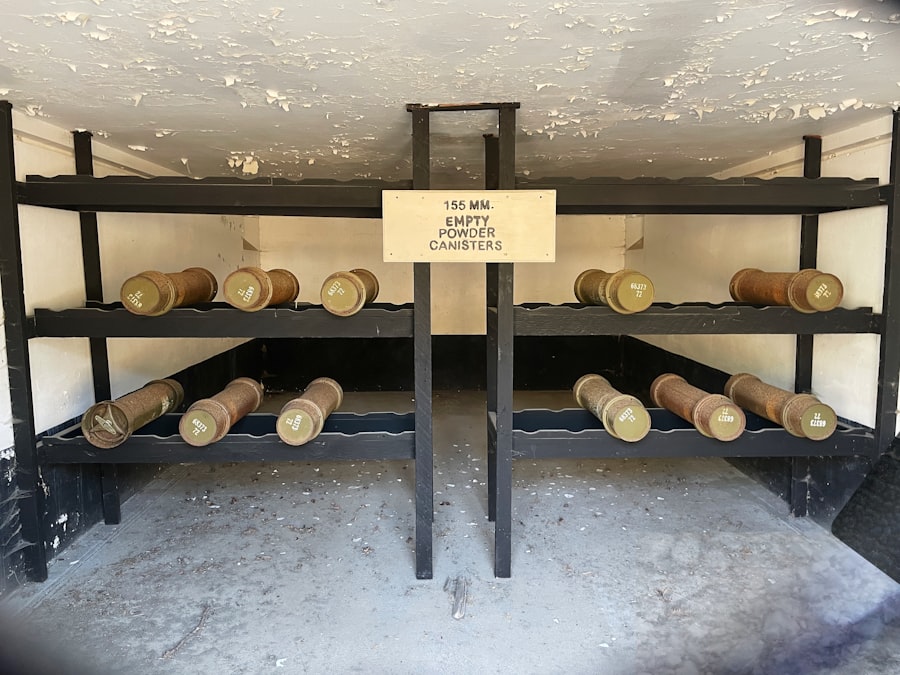
Our military is, at its core, a human endeavor. The most sophisticated equipment is only as effective as the personnel who operate it. We observe persistent challenges in manning, training, and retaining the skilled individuals we need.
Recruitment and Retention Struggles
The GAO report of March 5, 2026, highlighted staffing shortfalls, a persistent issue across various branches. Attracting and retaining qualified personnel in a competitive civilian job market remains a significant hurdle. We must critically examine our enlistment incentives, career progression paths, and the overall quality of life for our service members and their families. Without a consistent influx of talent and the ability to retain experienced professionals, our institutional knowledge and operational capabilities are inevitably diminished.
Specialized Skills Gaps
Beyond general staffing levels, we encounter specific skill gaps in areas such as cyber warfare, foreign language proficiency, and maintenance technicians for increasingly complex systems. Addressing these gaps requires targeted recruitment strategies, robust training programs, and competitive compensation packages. We cannot afford to have personnel operating sophisticated equipment without the depth of understanding and expertise required to maximize its potential and troubleshoot its inevitable failures.
Training Readiness and Realistic Scenarios
It is crucial that our training regimens reflect the realities of modern warfare. This means moving beyond theoretical exercises to more challenging, multi-domain scenarios that simulate the complexities of contested environments. We must continuously adapt our training to incorporate lessons learned from ongoing conflicts and from the evolving capabilities of potential adversaries. Training must also address the psychological demands of sustained combat, ensuring our personnel are prepared for the mental as well as physical rigors of their duties.
Revisiting Readiness Metrics: A Holistic Approach
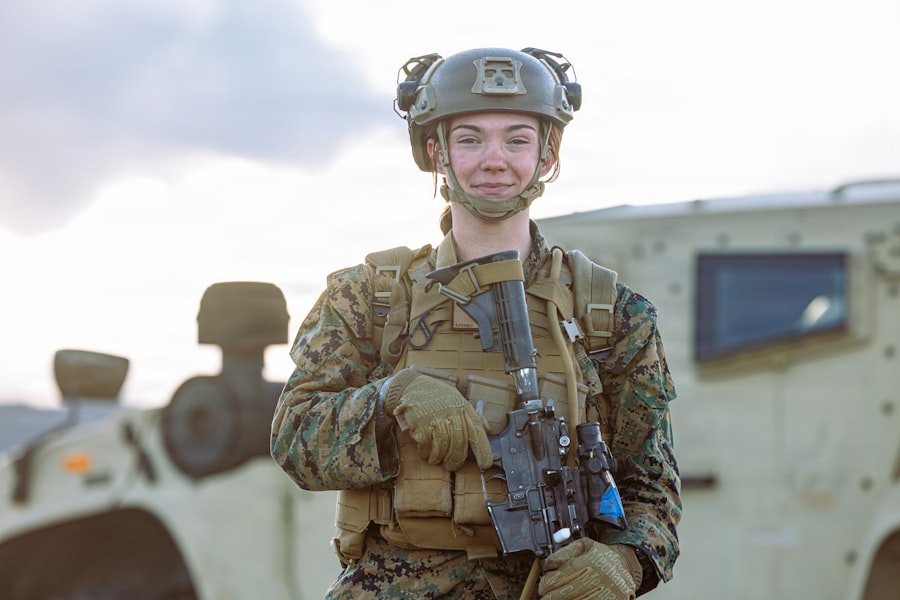
The way we measure readiness is fundamental to accurately assessing our capabilities and identifying areas for improvement. The traditional metrics, while valuable, may not fully capture the nuances of our current operating environment.
Beyond Equipment Counts: Operational Effectiveness
The February 25, 2026, General Catalyst Institute report’s call for an overhaul of readiness metrics, proposing a composite index based on commander feedback, is a timely and critical suggestion. We must move beyond simply counting available equipment to truly understanding its operational effectiveness in various scenarios. A tank in a motor pool is one thing; a tank with a fully trained crew, ample ammunition, and integrated logistical support is another entirely.
Integrating Technology Assessment with Human Factors
The reported suggestion for better tech and operational assessment underscores the need for a comprehensive framework. This includes not only evaluating the performance of our technology but also its interoperability, its resilience against cyberattacks, and the ability of our personnel to effectively utilize and adapt to new systems. Human-machine teaming capabilities are becoming increasingly vital, and our metrics must reflect our proficiency in this domain.
Measuring Resilience and Adaptability
In a rapidly changing world, our ability to adapt and be resilient in the face of unexpected challenges is paramount. Traditional metrics often focus on static preparedness. We need to develop metrics that assess our capacity for rapid innovation, our agility in resource allocation, and our ability to learn and adjust our strategies in dynamic environments. This includes measuring the effectiveness of our intelligence gathering and analysis, and our capacity to translate intelligence into actionable responses.
The ongoing discussions about US military readiness have been significantly influenced by various external factors, including climate change and its impact on operational capabilities. For a deeper understanding of how weather patterns are affecting military strategies, you can read this insightful article on the subject. It highlights the challenges faced by the armed forces in adapting to changing environmental conditions and the importance of preparedness in maintaining national security. To explore this topic further, check out the article here.
Strategic Outlook and Global Implications
Our readiness is not an isolated concern; it has far-reaching implications for global stability and our ability to uphold our strategic interests. The decisions we make today will shape our standing and influence for years to come.
Deterrence and Regional Stability
A robust and overtly prepared military serves as a crucial deterrent against potential aggression. Our ability to project conventional and unconventional power, as demonstrated by the signals of readiness for a potential ground war amidst tensions with Iran in March 2026, is essential for maintaining regional stability. However, deterrence is not solely about overwhelming force; it also involves clear communication of intent and a credible commitment to our allies.
Alliances and Burden Sharing
Our alliances are a cornerstone of our global strategy. Our readiness directly impacts our ability to support our allies and uphold our commitments. The regional gaps identified in Europe and the Indo-Pacific in the GAO report suggest areas where our readiness posture could be strengthened to better support our partners. We must also encourage and facilitate greater burden-sharing among our allies, ensuring that collective security is indeed a collective effort.
Long-Term Strategic Planning and Resource Allocation
A comprehensive assessment of our readiness necessitates a long-term strategic vision coupled with prudent resource allocation. We must avoid short-sighted decisions that prioritize immediate gains over sustainable capabilities. This includes consistent investment in research and development, maintaining a skilled industrial base, and ensuring a predictable funding stream for our military. The reported Iranian morale damage, desertions, and weakened regime capabilities following Operation Epic Fury, as briefed by SecDef Pete Hegseth on March 31, 2026, highlight the potential impact of sustained strategic pressure. Such operations are not a result of ad-hoc planning, but rather the culmination of years of investment in intelligence, training, and technological superiority.
In conclusion, the question of our military’s readiness is not a simple yes or no. It is a complex tapestry woven from equipment, personnel, training, logistics, and strategic foresight. While we undoubtedly possess formidable capabilities, we must confront the persistent challenges of delayed maintenance, staffing shortfalls, and the evolving nature of global threats. Objective assessment, continuous improvement, and a commitment to adapting our strategies and resources are paramount if we are to remain truly prepared for the uncertainties that lie ahead. The comfort of complacency is a luxury we cannot afford in a world that demands constant vigilance and proactive engagement.
FAQs
What is US Military readiness?
US Military readiness refers to the ability of the armed forces to carry out their assigned missions effectively and efficiently. This includes having well-trained personnel, modern equipment, and sufficient resources to respond to various threats and challenges.
Why is US Military readiness important?
Military readiness is crucial for national security and defense. It ensures that the military is prepared to protect the country and its interests, respond to emergencies, and support allies when needed. Additionally, readiness deters potential adversaries and helps maintain peace and stability.
How is US Military readiness measured?
Military readiness is measured through various factors, including personnel training and readiness, equipment maintenance and modernization, operational capabilities, and overall readiness assessments. These factors are regularly evaluated to determine the military’s preparedness for potential missions and operations.
What are the current challenges to US Military readiness?
Challenges to US Military readiness include budget constraints, aging equipment, personnel shortages, evolving threats, and the need to adapt to new technologies and tactics. Additionally, global commitments and operational tempo can strain military readiness.
What is being done to improve US Military readiness?
Efforts to improve US Military readiness include increased defense spending, modernization of equipment and technology, recruitment and retention initiatives, training and exercises, and strategic planning to address emerging threats. Additionally, there is a focus on enhancing interoperability with allied forces and streamlining bureaucratic processes to enhance readiness.