
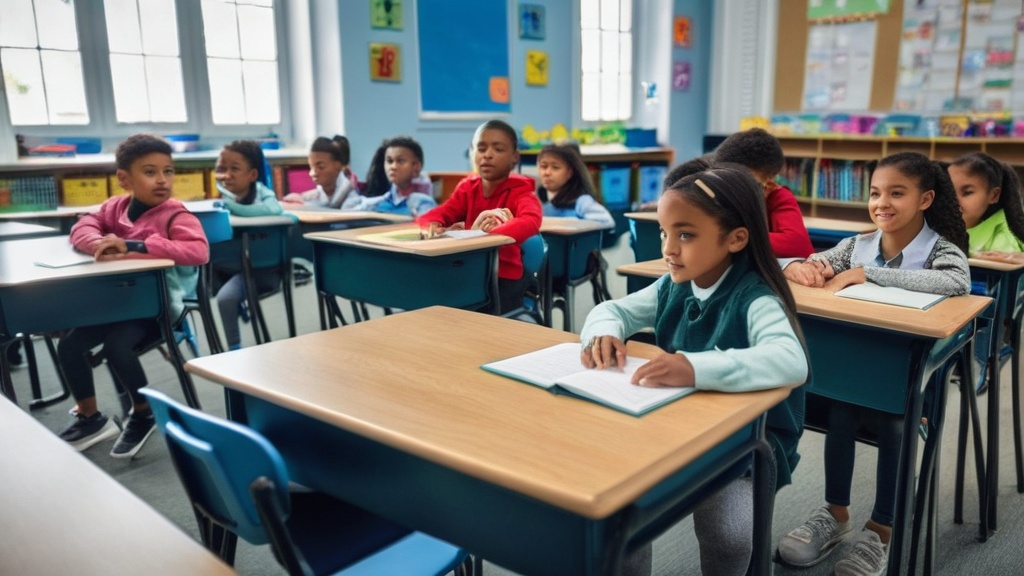
The integration of Artificial Intelligence (AI) into educational settings is no longer a hypothetical future; it is a present reality shaping pedagogical approaches and student experiences. Rather than a wholesale replacement of human educators, the current landscape emphasizes AI as a supportive tool, augmenting the capabilities of teachers and offering new avenues for personalized student development. This evolution is marked by a cautious yet optimistic deployment, acknowledging both the potential benefits and the inherent challenges.
The narrative surrounding AI in education has significantly shifted. The initial anxieties about autonomous systems replacing teachers have largely given way to a recognition of the indispensable role of human educators. Current trends highlight a deliberate move towards human-led approaches, where AI functions as an assistant rather than an independent entity. Schools are prioritizing systems that require and benefit from teacher oversight, ensuring that AI implementations are guided by pedagogical expertise and curriculum objectives. This does not mean shunning AI altogether, but rather being discerning about its application. The focus is on augmenting teacher capacity, freeing them from time-consuming administrative tasks to dedicate more energy to direct student interaction and the nuanced aspects of teaching that AI cannot replicate.
AI as a Supportive Partner for Teachers
AI tools are increasingly designed to alleviate the burden of administrative and preparatory tasks for educators. Lesson planning, a cornerstone of effective teaching, is one area where AI is demonstrating utility. By analyzing curriculum standards, student performance data, and available resources, AI can suggest lesson structures, activity ideas, and even potential differentiation strategies. This is not about generating entire lesson plans autonomously, but rather providing a robust starting point that educators can then refine and adapt.
Streamlining Administrative Workflows
Beyond lesson planning, AI can assist in managing classroom logistics. Tasks such as generating reports, organizing student data, and scheduling can be streamlined through AI-powered platforms. This reduction in administrative overhead allows teachers to reclaim valuable time, which can then be reinvested into more impactful activities like one-on-one student support, developing innovative teaching strategies, or engaging in professional development.
Enhancing Data Analysis for Informed Instruction
The ability of AI to process and analyze large datasets is proving beneficial for understanding student performance. AI platforms can collate information from various assessments, behavioral observations, and classroom activities, presenting teachers with a holistic view of each student. This comprehensive data can illuminate learning patterns, identify areas of struggle or strength, and inform instructional adjustments, leading to more targeted and effective interventions.
The Importance of Teacher Oversight and Professional Development
The effectiveness of AI in the classroom is intrinsically linked to the expertise and agency of the teacher. Schools are actively promoting a model where AI is an adjunct to, not a substitute for, human judgment. This necessitates robust professional development programs to equip educators with the skills and understanding needed to effectively utilize AI tools. Teachers need to be trained not only on how to operate AI platforms but also on how to critically evaluate the outputs, understand the underlying algorithms, and integrate AI insights into their pedagogical decision-making. The emphasis is on teachers as the orchestrators of the learning environment, with AI as a valuable instrument in their toolkit.
In exploring the transformative role of artificial intelligence in education, it is interesting to consider how global economic shifts, such as the evolving dynamics of the BRICS alliance, may influence technological adoption in classrooms. For a deeper understanding of these economic changes and their potential impact on various sectors, including education, you can read the article on the implications of the BRICS alliance on the US dollar at this link.
Personalizing the Learning Journey Through AI
One of the most significant promises of AI in education lies in its potential to foster personalized learning. Recognizing that students learn at different paces and possess diverse learning styles, AI can help tailor educational experiences to meet individual needs. This moves beyond a one-size-fits-all approach, offering students pathways that are both challenging and supportive, thereby optimizing their engagement and comprehension.
Creating Comprehensive Student Profiles
AI platforms are enabling the creation of detailed student profiles by aggregating information from multiple sources. This includes not just traditional assessment scores but also insights into behavioral trends, cognitive patterns, and overall classroom engagement. By consolidating this data into a single, accessible location, AI provides teachers with a more complete and nuanced understanding of each student as an individual learner, facilitating more informed and responsive support.
Identifying Learning Gaps and Strengths
With a comprehensive student profile, AI can assist in identifying specific learning gaps and areas where a student excels. This granular insight allows educators to provide targeted interventions for struggling students and offer enrichment opportunities for those who are advanced. The system’s ability to detect subtle patterns in student work and behavior can alert teachers to potential issues before they become significant obstacles to learning.
Tailoring Content and Pacing
AI can dynamically adjust the content and pace of learning materials based on a student’s performance and engagement. If a student demonstrates mastery of a concept, the AI can present more challenging material or move them to the next topic. Conversely, if a student is struggling, the AI can offer additional explanations, practice exercises, or alternative approaches to the material. This adaptive learning environment ensures that students are consistently engaged at an appropriate level of difficulty.
Assisting Students with Conceptual Clarity and Idea Organization
Beyond personalized content delivery, AI tools are proving valuable in helping students develop their own understanding and organizational skills. AI can act as a sophisticated tutor, providing explanations of complex concepts in different terms or offering alternative perspectives. For students grappling with how to structure their thoughts for essays or projects, AI can facilitate brainstorming and idea organization, acting as a sounding board or a structured framework for their thinking processes. This support empowers students to take greater ownership of their learning and develop critical self-management skills.
Navigating Financial Realities and Data Security in AI Adoption
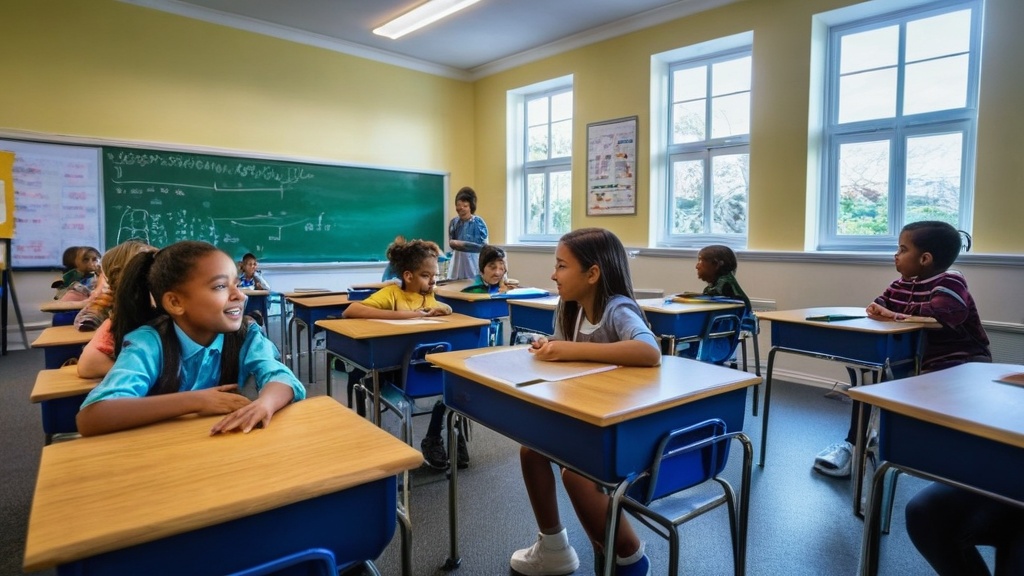
The enthusiasm for AI in education is tempered by pragmatic considerations, particularly concerning budget constraints and the imperative of data privacy. As schools operate under increasingly tight financial pressures, the return on investment for any new technology becomes a crucial factor. Furthermore, the sensitive nature of student data necessitates a vigilant approach to security and ethical use.
The Imperative of Budgetary Scrutiny
Educational institutions are often beholden to limited budgets, making the acquisition and implementation of new technologies a carefully considered decision. The appeal of AI must be weighed against its cost, including not only the initial purchase price but also ongoing subscription fees, maintenance, and the necessary training for staff. Schools are therefore compelled to rigorously evaluate the purported benefits of AI tools against their financial implications, prioritizing solutions that offer demonstrable value and long-term sustainability.
Demonstrating a Clear Return on Investment
For AI tools to gain widespread adoption, they must articulate a clear return on investment for schools. This means showcasing how AI can lead to improved student outcomes, increased teacher efficiency, or enhanced operational effectiveness in ways that justify the expenditure. Without such a clear justification, budgetary limitations can severely restrict the ability of schools to embrace these technologies.
Exploring Cost-Effective Implementation Strategies
Schools are exploring various strategies to make AI implementation more cost-effective. This might involve phased rollouts, leveraging open-source AI solutions where appropriate, or forming consortiums with other districts to negotiate bulk pricing for commercial software. The focus is on finding innovative ways to access the benefits of AI without compromising financial stability.
Addressing Student Data Privacy Concerns
The collection and processing of student data by AI systems raise significant data privacy concerns. Schools and parents alike are increasingly aware of the potential risks associated with the misuse or breach of personal information. This has led to a demand for greater transparency from edtech companies regarding their AI models, including how data is collected, where it originates, and how it is stored and secured.
Ensuring Transparency in AI Model Training
A lack of transparency surrounding the training data of AI models is a significant hurdle. Without knowing what data AI systems are trained on, it is difficult to assess potential biases or the reliability of their outputs. Schools are increasingly demanding that vendors provide clear information about their data sources and training methodologies to ensure ethical and equitable AI deployment.
Safeguarding Student Information
The responsible storage and management of student data are paramount. Schools must ensure that any AI platform they adopt adheres to stringent data security protocols and complies with relevant data protection regulations. Cybersecurity measures must be robust to prevent unauthorized access and data breaches, and clear policies must be in place regarding data ownership and usage rights.
Learn more technology news at AITV.
Upholding Academic Integrity in the Age of AI
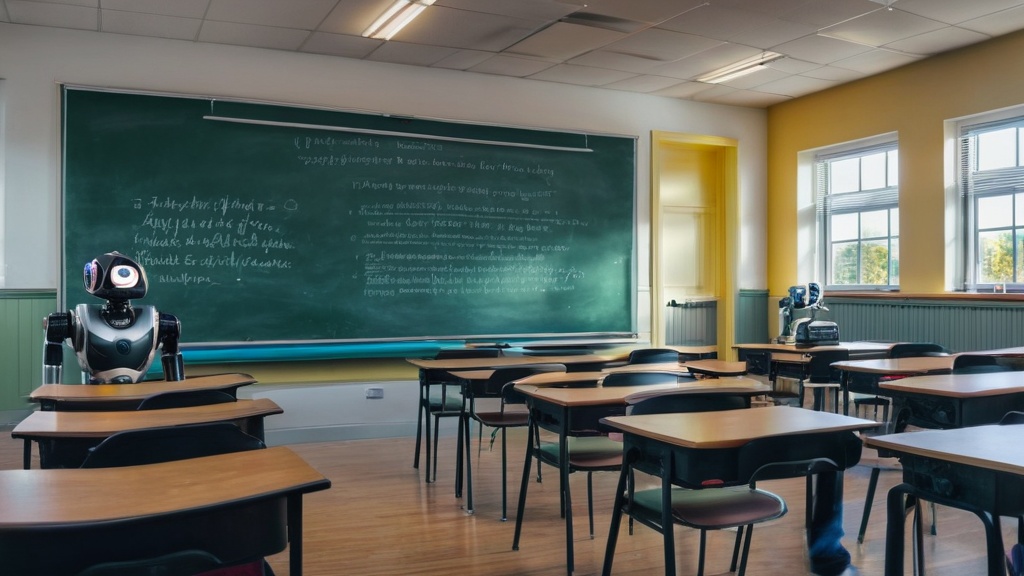
The rapid proliferation of AI tools has introduced new complexities to the concept of academic integrity. Students are increasingly able to leverage AI to generate responses to assignments, raising critical questions about the authenticity of their work and the validity of traditional assessment methods. Schools are actively seeking strategies to address this challenge, emphasizing both preventative measures and pedagogical adjustments.
The Challenge of Unauthorized AI Use
A significant concern is the unauthorized use of AI by students on assignments. This can range from using AI to generate entire essays to employing it for brainstorming or refining written work without proper attribution. This practice undermines the learning process, as it bypasses the cognitive effort required for students to develop their own ideas, critical thinking skills, and writing abilities.
Rethinking Assessment Design
In response to this challenge, educators are rethinking the design of assessments. Traditional essay prompts that can be easily answered by AI are being scrutinized. The focus is shifting towards assessments that require higher-order thinking, personalized reflection, and real-world application of knowledge – areas where AI currently plays a more limited role. This might include oral presentations, project-based learning, in-class timed writing, or assignments that require students to analyze specific datasets or current events.
Fostering a Culture of Academic Honesty
Beyond assessment design, fostering a strong culture of academic honesty is crucial. This involves clear communication with students about the ethical use of AI, the consequences of academic dishonesty, and the value of their own intellectual contributions. Schools are emphasizing the importance of learning and growth over simply producing a polished final product.
Strategies for Successful AI Integration and Student Engagement
Schools that are successfully navigating the challenges of AI are integrating clear boundaries with pedagogical approaches that prioritize student engagement. This means establishing explicit guidelines for AI use, educating students on its appropriate application, and designing learning experiences that inherently foster a deeper level of engagement and critical thinking. When students are actively involved in their learning, with opportunities for collaboration, creativity, and problem-solving, the temptation or need to rely solely on AI for answers is diminished.
Promoting Collaboration and Critical Thinking
AI can be a tool to enhance collaboration and critical thinking, rather than circumvent it. For instance, students can use AI to gather preliminary information for a research project and then collaborate to analyze, synthesize, and critique that information. AI-generated content can serve as a starting point for classroom debates or ethical discussions, encouraging students to develop their own informed opinions.
Emphasizing Process Over Product
Many educators are shifting their emphasis from the final product of an assignment to the learning process itself. This involves valuing the stages of brainstorming, drafting, revising, and reflecting. AI can be integrated into these stages, but the student’s active involvement and demonstrable understanding of the process remain central. By focusing on the journey of learning, the reliance on AI for a perfect final output becomes less impactful.
As educators increasingly integrate technology into their teaching methods, the role of artificial intelligence in the classroom has become a significant topic of discussion. One interesting perspective on this is found in a related article that explores how AI tools can enhance learning experiences and improve student engagement. For more insights on this subject, you can read the article here: AI in Education. This resource provides valuable information on the potential benefits and challenges of implementing AI technologies in educational settings.
Measuring and Cultivating Student Success with AI
The ultimate goal of integrating AI into education is to enhance measurable student outcomes. This involves moving beyond simply automating existing tasks and towards leveraging AI to actively drive improvements in learning, skill development, and future readiness. AI’s capacity for granular data collection is proving instrumental in this endeavor.
AI as a Driver of Measurable Student Outcomes
When integrated thoughtfully with high-quality instructional materials and grounded in sound pedagogical principles, AI has the potential to significantly impact student learning. The focus is not on AI dictating learning, but on AI supporting the learning facilitated by excellent teaching. Connected systems that link instructional activities with targeted interventions, all informed by real-time data, are becoming increasingly prevalent, allowing for a more dynamic and responsive approach to student support.
Linking Instruction and Intervention Through Data
AI can bridge the gap between instruction and intervention. By continuously monitoring student progress, AI can identify when a student is beginning to fall behind or when they are ready for more challenging material. This data can then be used to trigger immediate, personalized interventions, such as providing additional practice, suggesting remedial resources, or alerting the teacher to the need for one-on-one support. This creates a feedback loop that continuously optimizes the learning experience.
Providing Real-time Feedback and Adaptive Support
AI’s ability to provide instant feedback on student work is invaluable. Whether it’s identifying grammatical errors in writing, suggesting improvements to code, or confirming understanding of mathematical concepts, this immediate feedback allows students to correct mistakes and reinforce learning in real-time. This immediate reinforcement is far more effective than delayed feedback from traditional assessments.
Empowering Skills Measurement and Career Preparation
Beyond academic knowledge, AI is increasingly being used to measure and develop the skills students need for future success in the workforce. This aligns with a growing movement towards skills-first education and hiring. AI can provide granular data on a learner’s competencies, enabling institutions to more accurately assess their skills and match them with relevant job opportunities.
Granular Skills Data Collection
AI platforms can meticulously track the development of specific skills throughout a student’s educational journey. This might include digital literacy, problem-solving abilities, critical thinking, communication skills, and even soft skills such as teamwork and adaptability. By collecting this granular data, educational institutions can provide students with a clear understanding of their skill profiles, which are increasingly sought after by employers.
Matching Learners to Job Opportunities
With a robust understanding of a student’s acquired skills, AI can play a significant role in career counseling and placement. By analyzing labor market trends and employer demands, AI systems can help match learners with job opportunities that align with their competencies. This proactive approach to career preparation can significantly enhance graduate employability and help individuals navigate the evolving job market with greater confidence. The shift towards skills-first education, supported by AI’s data-gathering capabilities, promises a more streamlined and effective transition from education to the professional world.
FAQs
What is AI in the classroom?
AI in the classroom refers to the use of artificial intelligence technology to enhance the learning experience for students and teachers. This can include AI-powered educational software, virtual tutors, personalized learning platforms, and smart classroom management systems.
How is AI being used in the classroom?
AI is being used in the classroom to provide personalized learning experiences for students, automate administrative tasks for teachers, facilitate adaptive learning, and improve student engagement. AI is also used to analyze student data and provide insights to educators for better decision-making.
What are the benefits of using AI in the classroom?
The benefits of using AI in the classroom include personalized learning experiences, improved student outcomes, increased teacher efficiency, better data-driven decision-making, and the ability to adapt to individual student needs. AI can also help in identifying learning gaps and providing targeted interventions.
What are the potential challenges of implementing AI in the classroom?
Challenges of implementing AI in the classroom include concerns about data privacy and security, the need for teacher training and support, potential job displacement for educators, and the risk of over-reliance on technology. There are also ethical considerations related to the use of AI in education.
What is the future of AI in the classroom?
The future of AI in the classroom is likely to involve further advancements in personalized learning, adaptive learning technologies, and the integration of AI-powered tools and resources into the education system. AI is expected to continue playing a significant role in shaping the future of education.