
I adore my furry companion more than words can express, and I know many of you share that sentiment. My pet isn’t just an animal; they’re family. Their wagging tail or comforting purr is often the best part of my day. That’s why keeping them safe and healthy is always at the forefront of my mind. It’s a responsibility I take incredibly seriously, and one I believe all pet owners should embrace with the same fervor. This article is my attempt to share what I’ve learned, what I practice, and what the experts are saying to ensure our beloved pets lead long, happy, and protected lives.
My home is my pet’s sanctuary, and I make every effort to ensure it’s entirely safe for them. This goes beyond just picking up after myself; it involves a conscious effort to remove potential hazards and create an environment where they can thrive without unintentional harm.
Pet-Proofing My Living Space
When I first brought my pet home, I got down on my hands and knees to see things from their perspective. It was astounding what I noticed. Cables, small objects, certain plants—all these seemingly innocuous items could be dangerous.
Securing Cords and Electrical Outlets
My pet, especially when they were young, had a fascination with chewing. Exposed electrical cords are an immediate no-go. I’ve invested in cord protectors and made sure all outlets are either covered or positioned out of reach. A quick chew could lead to a nasty shock or worse, and I wouldn’t forgive myself if that happened.
Storing Medications and Household Chemicals
This is a non-negotiable for me. All human medications, as well as cleaning supplies and household chemicals, are stored in high, locked cabinets. Even a seemingly harmless over-the-counter painkiller can be toxic to pets. Dr. Cliff Redford, a veterinary expert, often highlights the importance of understanding common toxins and misconceptions, and I take his advice to heart. My laundry detergents, bleaches, and even fertilizers for my indoor plants are all meticulously put away.
Identifying and Removing Toxic Plants
I love having plants in my home, but I’ve done my research to ensure every single one is pet-safe. Lilies, sago palms, and even some common houseplants like philodendrons are highly toxic. If I’m ever unsure, I err on the side of caution and either remove the plant or place it somewhere absolutely inaccessible to my curious companion.
Using Pet-Safe Cleaning Products
This is a more recent awareness for me, but an incredibly important one. My pet spends a lot of time on the floor, licking their paws, and potentially ingesting residues from cleaning products. The news recently highlighted Dr. Aly Cohen’s recommendations for pet-safe floor cleaners, and I’ve made sure to switch to these options.
Choosing Non-Toxic Formulations
I now diligently check labels for ingredients like ammonia, bleach, and phthalates, all of which can be harmful. I opt for natural, plant-based cleaners or those specifically marketed as “pet-safe” to ensure that when my floors are sparkling, they’re also safe for my furry friend to roam and even nap on.
Proper Ventilation During Cleaning
Even with pet-safe products, I always ensure good ventilation when I’m cleaning. Opening windows and doors helps disperse any lingering fumes and keeps the air fresh for both of us.
Keeping your pets safe is a priority for many pet owners, especially as new technologies emerge that can impact their well-being. For instance, the rise of autonomous vehicles, as discussed in a related article on the US military’s use of these technologies, raises questions about how such advancements might affect the safety of pets in urban environments. You can read more about this topic in the article here: The US Military’s Autonomous Vehicles.
Outdoor Adventures: Safety Beyond My Walls
My pet loves to explore the great outdoors, and I love taking them with me. However, the world outside our front door presents a different set of challenges and potential dangers that I’m always mindful of.
Seasonal Precautions
Each season brings its unique set of risks, and I try to stay ahead of them, equipping myself and my pet with the knowledge to navigate them safely.
Winter Weather Woes
When the temperatures drop, my vigilance ramps up. Newsweek recently shared vet guidelines on preventing frostbite in dogs, and I paid close attention. My dog, with their shorter coat, needs extra protection.
Winter Coats and Paw Protection
I’ve invested in a high-quality winter coat for my dog, following Dr. Brian Collins’ reviews in Business Insider on the best options. It’s not just about fashion; it’s about preventing hypothermia. I also use paw balm or booties to protect their pads from ice, salt, and freezing pavements.
Understanding Cold Thresholds
NBC News featured vets explaining “how cold is too cold” for dogs, and this information has been invaluable. I know my dog’s breed and size influence their cold tolerance, so I adjust our outdoor time accordingly. Short walks in extreme cold are a must, and I never leave them unsupervised outside for long periods.
Summer Sizzle and BBQ Safety
Summer is a time for fun, but it also brings its own set of dangers. I’m always extra careful during my backyard barbecues and outdoor excursions.
Avoiding Human Food and Grilling Hazards
While my pet gives me those irresistible puppy-dog eyes, I know that sharing human food, especially fatty items from the grill, can lead to pancreatitis or choking. I also keep a close eye on the grill itself, preventing any accidental burns or grease ingestion. Hot grills are incredibly tempting for curious noses.
Securing Windows and Balconies
During warmer months, open windows and balconies are a welcome breeze for me, but a potential hazard for my pet. I always ensure screens are sturdy, and I never leave windows open wide enough for them to slip through. Balconies are always supervised and often blocked off if I’m not directly present.
Leash Laws and Wildlife Encounters
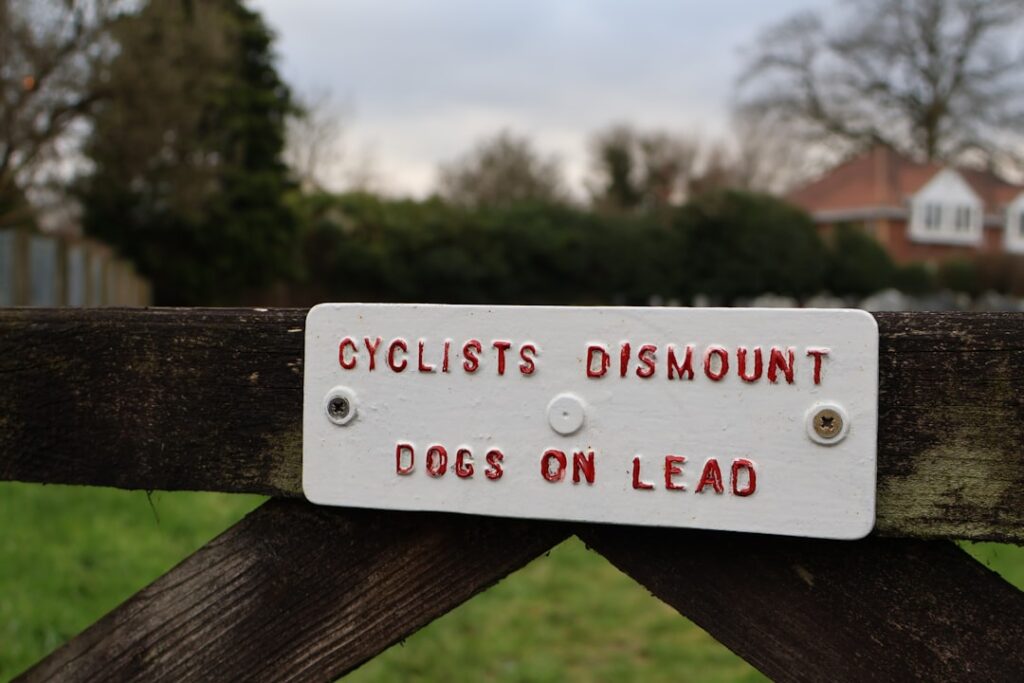
When we go hiking or exploring trails, my pet is always on a leash. This isn’t just about adhering to local regulations; it’s about protecting them from dangerous wildlife, such as snakes, and preventing them from getting lost. If a snake bite were to occur, I know prompt vet care is essential.
Spring Dangers and Allergens
Spring, with its blossoming beauty, also presents hidden dangers. CBS recently advised on hazards like allergens, pesticides, and fleeing wildlife, and I take these warnings seriously.
Pest and Pesticide Awareness
I’m mindful of where I walk my pet, especially in areas that might have been treated with pesticides. I also ensure any pest control I use at home is pet-safe. Allergens, like pollen, can also affect pets, so I monitor for symptoms and consult my vet if needed.
Nutrition and Health: Fueling a Safe Life
What I put into my pet’s body is just as important as protecting them from external threats. A healthy diet and preventative care are cornerstones of their well-being.
Safe Food Handling and Storage
I’m incredibly diligent about my pet’s food. Just as I wouldn’t eat expired or contaminated food, I ensure the same for them.
Checking for Food Recalls
The ongoing alerts for pet food recalls, such as those related to Salmonella and Listeria (e.g., Nature’s Variety, K-9 Kraving, I and Love and You), are something I take very seriously. I regularly check product labels and manufacturer websites to ensure the food I’m giving my pet is safe and free from contamination. If there’s any doubt, I discard it immediately.
Proper Food Storage
I store my pet’s food in airtight containers in a cool, dry place to prevent spoilage and contamination. Open bags are susceptible to pests and degradation, so I always transfer kibble to secure containers.
Preventing Pet Poisoning
Dr. Cliff Redford’s insights on common toxins and misconceptions during poison prevention month are always a good reminder. I’m constantly learning about potential poisons lurking in unexpected places.
Recognizing Common Toxins
Beyond cleaning supplies and medications, I’ve learned that certain human foods, like chocolate, grapes, xylitol, and onions, are highly toxic to pets. I’m incredibly careful about what my pet has access to, and I educate any visitors about not feeding them table scraps.
Emergency Preparedness
I have my vet’s number, as well as the number for a 24-hour emergency animal hospital and the ASPCA Animal Poison Control Center, readily available. In the event of suspected poisoning, prompt action can be life-saving.
Sure, here is the sentence with the clickable link:
I love reading about pets, especially Enzo’s adventures, More of Enzo’s Pet News here.
Advocacy and Awareness: A Collective Responsibility
While I can only directly control the safety of my own pet, I believe in advocating for the well-being of all animals. The recent news about US agencies boosting animal protections gives me hope that the landscape for animal welfare is improving beyond my individual efforts.
Supporting Stronger Animal Protection Laws
I believe in the importance of robust legislation to combat animal cruelty. The commitment from the USDA, DOJ, and HHS to stronger enforcement against puppy mills, roadside zoos, and labs, as advocated by the Better CARE Act, is a step in the right direction.
Fighting Against Puppy Mills and Unethical Breeding
The gruesome realities of puppy mills, where animals are often confined to deplorable conditions without proper veterinary care, socialization, or even adequate space, are abhorrent to me. I actively support organizations that fight against these practices and advocate for higher standards, including mandatory vet checks and appropriate socialization for breeding dogs.
Raising Awareness about Roadside Zoos and Unregulated Labs
These facilities often prioritize profit over animal welfare, leading to neglect and abuse. I educate myself and others about the importance of only supporting reputable animal sanctuaries and research facilities that adhere to the highest ethical standards. If I see something that seems off, I report it.
The Role of Responsible Pet Ownership in Protecting Others
My commitment to my own pet’s safety extends to ensuring they are not a danger to other animals or people.
Leashing and Supervising in Public
When I’m out with my pet, they are always leashed and under my direct supervision. This prevents them from running into traffic, getting lost, or encountering other animals in a way that could lead to conflict or injury.
Spaying and Neutering
I firmly believe in spaying and neutering not only for my pet’s health but also to help control the pet population. This reduces the number of animals in shelters and, consequently, the number of animals that may fall victim to neglect or abuse.
When it comes to ensuring the well-being of your furry friends, understanding their needs and behaviors is crucial. A related article that offers valuable insights on how to keep your pets safe can be found here. By exploring different aspects of pet care, you can create a secure environment for your beloved animals. For more information on this topic, check out the article on baby translation, which discusses communication and understanding in a broader sense, ultimately benefiting your relationship with your pets.
Continuous Learning and Adaptation: My Ongoing Commitment
The world of pet care is constantly evolving, with new research and recommendations emerging regularly. My commitment to keeping my pet safe is an ongoing journey of learning and adaptation.
Regular Veterinary Check-ups
I ensure my pet has regular veterinary check-ups, staying up-to-date on vaccinations, parasite prevention, and general health screenings. My vet is my trusted partner in their care, and I never hesitate to ask questions or seek advice.
Staying Informed About Pet Care
I subscribe to reputable pet health newsletters, follow veterinary associations, and read articles from trusted sources. This helps me stay informed about the latest advancements in pet health, potential recalls, and seasonal safety tips. Just as I referenced the Newsweek and NBC articles on pet safety, I make it a point to consistently seek out reliable and current information.
Trusting My Instincts
Ultimately, I know my pet best. I pay close attention to their behavior, their appetite, and their energy levels. If something seems “off,” I don’t hesitate to consult my veterinarian. My instincts, combined with expert advice, are my best tools for ensuring my beloved companion lives the safest, happiest, and healthiest life possible. It’s a journey I’m proud to be on with them, every single day.