

I remember when dog food was simply… dog food. A sack of brown kibble or a can of mystery meat. It was functional, a way to keep our canine companions fed, but it rarely inspired much thought beyond that. Now, however, the landscape of canine nutrition is undergoing a seismic shift, a genuine revolution. What was once a utilitarian necessity has become a focal point of innovation, driven by a complex interplay of evolving human values, scientific advancements, and a deepening bond between pets and their people. I’ve been following these changes closely, and for anyone who considers their dog a member of the family, understanding these trends is no longer optional; it’s essential.
For decades, the protein backbone of most dog food formulations consisted of traditional animal-based sources: chicken, beef, lamb. While these remain important, a significant wave of innovation has emerged, pushing the boundaries of what we consider viable and even preferable protein sources for our dogs. This isn’t just a minor tweak; it’s a fundamental rethinking of where animal and human nutrition intersect.
The Rise of Plant-Based Proteins
The surge in plant-based proteins is perhaps one of the most striking developments. Driven by a confluence of factors, including the escalating pet humanization trend, a growing awareness of sustainability, and the distinct preferences of younger generations like millennials and Gen Z, ingredients like peas and lentils have moved from being minor components to primary protein contributors in many formulations. I’ve seen countless examples of dog foods that now feature these legumes prominently, offering a good source of amino acids and fiber. This isn’t about replacing animal protein entirely for all dogs, but rather diversifying dietary options and providing palatable alternatives for a wider range of dietary needs and owner philosophies.
The Insect Protein Frontier
Beyond common plant sources, insect protein is carving out a significant niche. Mealworms, black soldier fly larvae, and other insect-derived meals are gaining traction due to their impressive nutritional profiles and environmental advantages. They are remarkably efficient converters of feed into protein, require significantly less land and water than traditional livestock, and are a fantastic source of essential amino acids, fatty acids, and minerals. For me, the idea of insect protein was initially a bridge too far, but the scientific backing and the undeniable environmental benefits are compelling. It’s a protein source that, when properly processed and formulated, can rival conventional options in terms of nutritional value.
Algae and Fermentation: The Next Wave
Looking further ahead, ingredients derived from algae and fermentation processes are beginning to appear on the radar. Algae, for instance, can be a rich source of omega-3 fatty acids and other beneficial compounds. Fermentation, a sophisticated biological process, can break down raw ingredients into more digestible and nutrient-dense forms, potentially enhancing bioavailability and introducing novel beneficial compounds. These are not yet mainstream, but they represent the cutting edge, areas where researchers and formulators are actively exploring to unlock new nutritional potentials for our pets. It’s a testament to the idea that the next big thing in pet nutrition might come from unexpected corners of the biological world.
The newest trend in dog food is the rise of plant-based and alternative protein options, catering to the growing demand for healthier and more sustainable pet diets. As pet owners become increasingly conscious of the environmental impact of their choices, many are turning to innovative formulations that prioritize both nutrition and sustainability. For more insights into how changing consumer preferences are influencing various industries, you can read a related article on the potential risks facing traditional sectors, such as the automotive industry, in this piece about combustion engines: Is the Combustion Engine’s Future at Risk?.
The Wet Food Renaissance and the Allure of Freshness
While kibble has long been the default, the market is seeing a significant and rapid expansion in the popularity of wet food and, more recently, fresh dog food. These formats offer distinct advantages that resonate with a growing segment of pet owners.
The Fastest Growing Segments: Wet Food and Pouches
The data is clear: wet food and individual pouches are experiencing the fastest growth rates. This isn’t a fleeting fad; it’s a sustained trend driven by multiple factors. Hydration is a key advantage. Many dogs, especially those prone to urinary issues or simply not drinking enough, benefit immensely from the higher moisture content in wet food. It’s like giving them a small, consistent hydration boost with every meal. Furthermore, the controlled portioning offered by pouches is highly attractive for owners managing their dog’s weight. The premium formats often associated with wet food also tap into the desire to provide the very best for our pets, mirroring human eating habits.
The Fresh Food Phenomenon
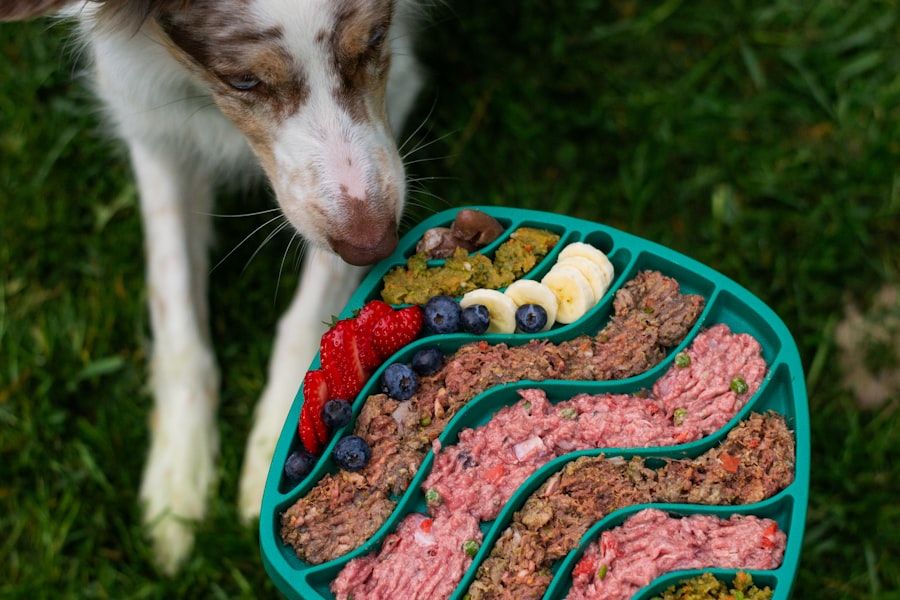
The growth of fresh dog food sales has been nothing short of explosive, with significant year-over-year increases since 2021. This segment is characterized by lightly cooked, whole-food ingredients, often delivered directly to the consumer. It appeals to owners who want to replicate the human experience of preparing wholesome meals for their families, but for their canine counterparts. The transparency of ingredients is a major draw, and the perception of superior palatability and nutritional value is strong.
The Power of Toppers
Complementing the rise of fresh food, dog food toppers have also become incredibly popular. A substantial percentage of owners are now utilizing these concentrated additions to their dog’s existing kibble. Toppers can introduce new flavors, textures, and, importantly, targeted nutritional benefits. They act as a culinary flourish, a way to add variety and boost the nutritional profile of a staple diet without a complete overhaul. It’s a flexible approach that allows owners to customize their dog’s meals, addressing specific needs or simply enhancing mealtime enjoyment.
Functional Ingredients: Beyond Basic Nutrition
The concept of “functional ingredients” has moved from a niche offering to a standard expectation in modern dog food. We’re no longer just feeding dogs calories and macronutrients; we’re actively seeking out ingredients that provide specific health benefits.
Promoting Gut Health
Probiotics and prebiotics are now commonplace in many formulations. Probiotics introduce beneficial bacteria to the gut, supporting a healthy and balanced microbiome. Prebiotics, such as inulin and fructooligosaccharides (FOS), act as food for these beneficial bacteria, further enhancing their growth and activity. A healthy gut is the bedrock of overall health, influencing everything from digestion and nutrient absorption to immune function and even mood. It’s a foundational element that formulators are diligently prioritizing.
Supporting Weight Management and Beyond
The trend towards functional ingredients also extends to critical areas like weight management. We are seeing the incorporation of ingredients that mimic the effects of GLP-1 agonists, such as those found in some pharmaceutical weight-loss treatments for humans. These compounds can help dogs feel fuller for longer, aiding in appetite control and weight reduction. This is a significant advancement, offering a dietary approach to a common and serious health issue. Beyond weight, ingredients are being chosen to support joint health, immune function, and even cognitive well-being, moving the conversation beyond simple sustenance to proactive health optimization.
The Familiar Appeal of Vegetables
Interestingly, familiar vegetables like carrots and beets are finding their way into premium dog foods not just for their fiber but for their array of vitamins, minerals, and antioxidants. These are ingredients that consumers recognize and trust, and their inclusion adds a layer of wholesomeness and perceived nutritional superiority. They are not just fillers; they are carefully selected additions that contribute to the overall health profile of the food.
For the latest updates and adorable stories, check out More of Enzo’s Pet News here.
Personalization and Precision: The Future is Tailored
Perhaps the most intellectually stimulating development in canine nutrition is the rise of personalized and precision nutrition. This is where science, technology, and a deep understanding of individual dogs converge.
The AI-Driven Approach
Artificial intelligence (AI) and sophisticated data platforms are now being employed to create highly tailored nutrition plans. Major pet food companies, like Mars Petcare and Purina, are investing heavily in these technologies. By leveraging data related to a dog’s breed, age, activity level, health conditions, and even genetic predispositions, these systems can formulate diets that are, in essence, bespoke. This moves beyond the general recommendations for a breed to hyper-specific nutritional blueprints. It’s like having a nutritionist for your dog, but operating at a scale and with a level of detail previously unimaginable.
The Growing Investment in Pet Wellness
This focus on precision is reflected in the increasing average spend per pet. Owners are not shying away from investing more in their dogs’ well-being, and nutrition is a prime area for this investment. The belief is that tailored nutrition can lead to a longer, healthier, and happier life for their companions. This trend underscores the profound bond people have with their pets, viewing them not just as animals, but as valued family members for whom they are willing to invest substantial resources.
As pet owners become increasingly conscious of their dogs’ dietary needs, the newest trend in dog food emphasizes the importance of natural ingredients and holistic nutrition. A recent article discusses how these changes reflect a broader shift towards healthier options for pets, showcasing innovative brands that prioritize quality over quantity. For more insights on this evolving market, you can read the full article here: latest trends in dog food. This movement not only aims to enhance the well-being of our furry friends but also encourages a more sustainable approach to pet food production.
Grain-Free: A Slowing Tide, but Not an Ebb
The grain-free movement, which gained immense traction in recent years, has seen its growth rate moderate. While still a relevant segment, the initial explosive expansion has given way to a more nuanced and evolving demand.
From Trend to Refinement
The shift away from grains was often fueled by concerns about potential sensitivities and a desire for simpler ingredient lists. However, as the market has matured, the focus has broadened. While many owners still prefer grain-free options, there’s a noticeable trend towards shorter, more recognizable ingredient lists overall, regardless of whether grains are present. The emphasis is on the quality and source of the ingredients rather than a blanket avoidance of certain categories.
Premiumization and Snacks
The grain-free segment, and indeed the broader dog food market, is also seeing continued premiumization. This means not just higher quality ingredients but also a greater emphasis on snack formats and specialized treats that offer nutritional benefits. This acknowledges that feeding a dog is no longer solely about their main meals; it encompasses a holistic approach to their dietary intake throughout the day. The distinction between “food” and “treat” is becoming increasingly blurred as even snacks are designed with nutritional purpose in mind.
The Expanding Market: Global Growth and North American Dominance
The overarching trend is one of significant and sustained growth in the global dog food market. This indicates a universal recognition of the importance of canine nutrition on a large scale.
A Multi-Billion Dollar Industry
Projections indicate that the global dog food market is on track to reach a substantial valuation by 2034, driven by a consistent compound annual growth rate. This robust growth signifies a global commitment to providing dogs with high-quality diets. This isn’t just a niche market; it’s a powerful economic force.
Adult Food Leads the Pack
Within this expanding market, adult dog food continues to be the dominant category, reflecting the largest segment of the canine population. However, the growth observed across all life stages, from puppy to senior, highlights a comprehensive approach to canine dietary needs throughout their lives.
North America at the Forefront
North America currently leads the market, a testament to the strong pet humanization trends and the early adoption of premium and innovative pet food products in the region. However, I’m also observing significant growth in emerging markets as pet ownership rises and owners become more aware of nutritional science. This global expansion suggests that the revolutions I’m seeing in my local pet store are, in fact, part of a worldwide transformation in how we care for our canine companions.
In conclusion, the world of dog food is no longer static. It is a dynamic, evolving field mirroring human advancements in health, technology, and consumer values. As I navigate these trends, I’m constantly reminded that what we feed our dogs is a direct reflection of our love and commitment to them. The latest in dog food trends isn’t just about new ingredients or fancy packaging; it’s about a deeper understanding of canine physiology, a more responsible approach to resource utilization, and a profound acknowledgment of the sophisticated role our dogs play in our lives. The revolution is here, and our dogs are undoubtedly the beneficiaries.