
The technology industry currently finds itself at a notable juncture, with increasing discourse surrounding the potential for wearable devices to fundamentally alter, or even supplant, the role of the traditional smartphone. This evolving landscape is characterized by a significant shift away from screen-centric interactions toward more integrated and often screenless interfaces.
The proliferation of new wearable designs signifies a decisive move beyond the established smartphone paradigm. These devices aim to integrate technology more seamlessly into daily life, often prioritizing discretion and intuitive interaction over overt displays.
The Rise of Screenless Interfaces
A prominent trend in contemporary wearable development is the deliberate reduction or complete elimination of traditional screens. This approach is exemplified by a new generation of AI-powered rings, smart glasses, and lapel pins. These devices are engineered for “heads-up” interaction, allowing users to perform various tasks such as navigation, language translation, and information retrieval without the need to physically engage with a separate display. The underlying premise is to minimize cognitive load and maintain a greater degree of engagement with the immediate environment.
Wearable Devices as Autonomous Units
Historically, many wearables functioned primarily as accessories to smartphones, relying on a tethered connection for full functionality. However, a significant development is the emergence of wearables designed to operate autonomously. The Humane AI Pin, for instance, represents a notable example of this shift. This device, featuring a laser display and gesture control, is engineered to function independently, not requiring an attached smartphone for operation. Its creators position it as a foundational element for a future less reliant on the smartphone as the central computational hub. This independent operation is a crucial factor in its potential to act as a direct replacement rather than merely a supplementary device.
Diversification of Wearable Designs
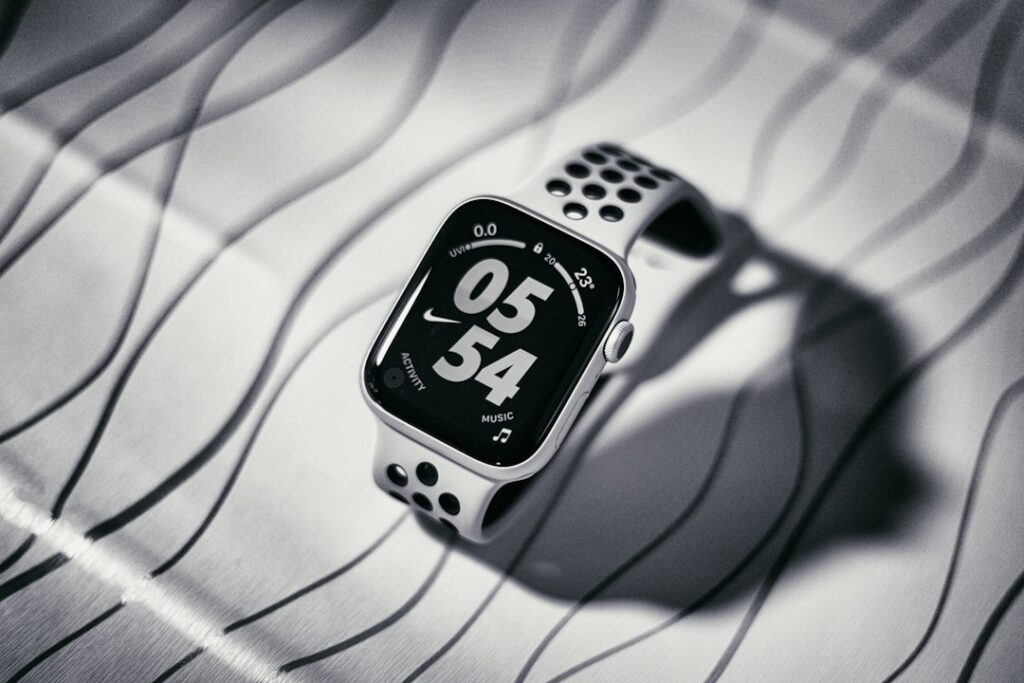
Industry experts observe a broadening spectrum of wearable form factors that are being explored as potential smartphone alternatives. This diversification includes augmented reality (AR) glasses, pendants, advanced earbuds, rings, and smartwatches. This variety suggests that a single, universal replacement for the smartphone may not emerge; instead, a constellation of specialized devices, each tailored to specific user needs and preferences, could collectively fulfill the functions currently consolidated within a smartphone. Companies are reportedly investing in these diverse forms, recognizing persistent barriers to the complete adoption of existing smartphone models for all use cases.
As the debate continues on whether wearables will eventually replace cell phones, it’s interesting to explore how advancements in technology are influencing our daily lives. A related article discusses the best wet dog food for 2023, highlighting how innovations in pet care are paralleling trends in personal technology. You can read more about it in this insightful piece: Best Wet Dog Food for 2023.
Advanced Capabilities: Health, AI, and Ambient Intelligence
The next generation of wearables transcends basic notification and activity tracking, integrating sophisticated health monitoring and advanced artificial intelligence to provide more proactive and personalized user experiences.
Integration of Biometric Tracking and AI in Health
Contemporary wearables are increasingly characterized by their capacity for advanced health monitoring, often augmented by artificial intelligence. Devices such as the Acer FreeSense Ring, Evie Ring, and Luna band exemplify this trend, combining precise biometric tracking with AI-driven insights. These capabilities extend beyond simple data collection to include personalized health recommendations and often incorporate voice-led guidance. This shift indicates a move towards wearables as proactive health companions, offering preventative insights and personalized wellness support, potentially diminishing the need to access health-related applications on a smartphone.
The Evolution of Ambient AI
The concept of “ambient AI” is gaining traction within the industry, representing a vision where artificial intelligence operates continuously and contextually within a user’s environment. Lenovo’s Qira and Motorola Project Maxwell are initiatives that explore this paradigm. These systems aim to leverage AI to monitor user activity across multiple devices and environments, providing proactive suggestions and creating personalized “AI twins.” An AI twin, in this context, would be a digital representation of the user, capable of anticipating needs and automating tasks based on learned behaviors and preferences. Such ubiquitous and intelligent assistance could significantly reduce the necessity for conscious interaction with a smartphone for many routine tasks and information retrieval.
Design Philosophy and User Experience Considerations
The trajectory of wearable development is also marked by a deliberate evolution in design principles, moving away from overtly technological aesthetics toward more integrated and inconspicuous forms.
Prioritizing Battery Life and Ergonomic Design
A critical area of focus for next-generation wearables is the optimization of battery life and the refinement of ergonomic design. The industry is moving away from the paradigm of “wrist computers”—large, often cumbersome devices that require frequent charging—towards designs that prioritize lightness, elegance, and extended operational periods. The objective is for wearables to “disappear into daily attire,” becoming functionally invisible rather than prominent gadgets. This emphasis on subtle integration and sustained performance is essential for widespread adoption and for wearables to genuinely serve as continuous companions rather than intermittent tools.
From Screen-Centric to Context-Aware Interaction
The shift away from screens is not merely about physical form but also represents a fundamental change in interaction philosophy. Rather than requiring users to actively engage with a screen to access information or perform tasks, new wearables aim for context-aware interaction. This involves devices proactively delivering relevant information or executing commands based on the user’s current environment, activity, and historical preferences, often through voice or gesture. This predictive and adaptive interaction model promises a user experience that is less interruptive and more aligned with natural human behavior, contrasting sharply with the attention-demanding nature of current smartphones.
Learn more technology news at AITV.
Challenges and Roadblocks to Smartphone Replacement
Despite the advancements and optimistic projections, several formidable challenges remain before wearables can fully displace the smartphone as the primary personal computing device.
Addressing Input and Output Limitations
While screenless interfaces and voice/gesture control offer advantages in certain contexts, they generally present limitations in terms of complex input and diverse output. Text entry, detailed visual information display, and complex application interaction remain areas where smartphones, with their larger screens and tactile keyboards, hold a significant advantage. For wearables to truly replace smartphones, innovative solutions for these core functionalities must emerge. This might involve advanced holographic projections, highly sophisticated voice interaction, or seamless integration with other ambient displays, but these technologies are still in nascent stages.
Overcoming Ecosystem Lock-in and User Habits
The modern smartphone is not merely a device but the cornerstone of an extensive digital ecosystem, encompassing a vast array of applications, services, and cloud integrations. Users have developed profound habits around these ecosystems, which represent a significant barrier to transition. Furthermore, the convenience of having a single device capable of handling myriad tasks, from communication and entertainment to productivity and financial management, is deeply ingrained. Dislodging these established patterns and providing equally comprehensive, or superior, alternatives through a collection of specialized wearables will require a substantial re-education of the user base and the development of equally robust, interconnected wearable ecosystems.
As the debate continues over whether wearables will replace cell phones, it’s interesting to consider how advancements in technology are shaping our future. For instance, the development of nuclear-powered spacecraft highlights the potential for innovative solutions in various fields, including personal technology. This article delves into the implications of such advancements and how they could influence the evolution of devices we use daily. If you’re curious about the intersection of technology and exploration, you can read more about it in this insightful piece on nuclear-powered spacecraft.
The Future Trajectory: Coexistence or Replacement?
Considering the rapid pace of innovation and the inherent challenges, the future relationship between wearables and smartphones is likely to be dynamic and multifaceted, rather than a simple one-to-one replacement.
Gradual Erosion of Smartphone Dominance
It is plausible that the role of the smartphone will not be abruptly superseded but rather gradually eroded as specific functions migrate to specialized wearables. For instance, advanced health monitoring may become solely the domain of smart rings or bands, while communication and contextual information delivery could shift to smart glasses or hearing aids. This piecemeal transition would diminish the smartphone’s “central” role, transforming it from a primary device to a secondary, or even tertiary, one for specific, more complex tasks. This scenario suggests a future where users might still own a smartphone for certain specialized applications but would interact with it far less frequently.
The Hybrid Model: A More Likely Intermediate Future
A more immediate and perhaps enduring future scenario involves a hybrid model where smartphones and advanced wearables coexist, each playing complementary roles. In this arrangement, wearables would handle most ambient interactions, rapid information retrieval, and discreet communication, while smartphones would be reserved for tasks requiring large displays, intensive processing, or detailed input, such as content creation, extended video consumption, or complex work-related applications. This would optimize the user experience by leveraging the strengths of each form factor, allowing for more focused and less distracted engagement with technology. This model could also serve as a transitional phase, gradually preparing users for a more fully wearable-centric future.
Ultimately, the trajectory of technology suggests an increasing integration of digital capabilities into the physical environment and our personal space. While the complete obsolescence of the smartphone remains a speculative outcome, the current wave of wearable innovation clearly indicates a significant shift towards more integrated, intuitive, and often screenless interactions. The extent to which these devices will fully replace, rather than simply augment, the smartphone will depend on their ability to overcome current limitations and establish equally compelling and comprehensive digital ecosystems.
FAQs
1. What are wearables?
Wearables are electronic devices that can be worn on the body, such as smartwatches, fitness trackers, and smart glasses. These devices are designed to provide various functions, such as tracking health and fitness metrics, receiving notifications, and accessing information.
2. What are the current capabilities of wearables compared to cell phones?
Wearables currently have limited capabilities compared to cell phones. While they can perform tasks such as tracking fitness metrics, receiving notifications, and making payments, they are not as versatile as cell phones in terms of communication, app usage, and overall functionality.
3. Will wearables replace cell phones in the future?
It is unlikely that wearables will completely replace cell phones in the near future. While wearables are becoming more advanced, cell phones still offer a wider range of capabilities and are more practical for tasks such as communication, web browsing, and app usage.
4. What are the potential advantages of wearables over cell phones?
Wearables offer the advantage of being more convenient and accessible for certain tasks, such as fitness tracking and receiving notifications. They also provide a more seamless integration with the user’s daily activities due to their wearable nature.
5. What are the challenges that wearables need to overcome to replace cell phones?
Wearables need to overcome challenges such as limited battery life, smaller screen size, and the need for more advanced input methods in order to replace cell phones. Additionally, they need to offer a wider range of capabilities and functionalities to compete with the versatility of cell phones.