

The question of “Who is a dog’s best friend?” is one that many dog owners ponder, perhaps with a loving pat on a furry head or a knowing glance at their canine companion. For me, it’s a question that has evolved over years of shared walks, quiet evenings, and the simple, unwavering presence of my own dogs. It’s easy to fall into saccharine descriptions of these animals, to ascribe human emotions and intentions with a romanticized lens. However, moving beyond that often leads to a more profound understanding of what canine companionship truly is: a unique and often deeply impactful relationship. It’s not about a slavish devotion or an idealized partnership; it’s about a set of observable behaviors and inherent traits that create a bond unlike any other I’ve experienced.
At the heart of what makes a dog a “best friend” lies their remarkable capacity for unconditional acceptance. In a world where human relationships are often conditional—dependent on shared interests, social standing, or even simply being in the right place at the right time—dogs offer a constant, unwavering presence. This is not to say that human bonds are not valuable or fulfilling, but the nature of canine affection is distinct and, in many ways, more straightforward. It’s a relationship unburdened by expectation or judgment, a reliable constant in the often-turbulent seas of human experience.
Loyalty Beyond Measure
The concept of loyalty is often attributed to dogs, and rightly so. However, it’s crucial to understand what this loyalty entails. Recent research suggests that a dog’s loyalty can indeed “exceed human friendships.” This isn’t a hyperbolic claim; it’s an observation of consistent behavior. Whether I’ve been gone for ten minutes or ten months, the greeting I receive from my dog is invariably enthusiastic. There’s no lingering resentment for perceived neglect, no complex calculus of my recent actions. The joy is pure and immediate, a testament to their inherent disposition. This consistency is something I’ve found to be a rare commodity in human connections. While friends and family can be understanding, there are often unspoken expectations or a subtle acknowledgment of absence that, while normal within human social structures, is absent in the dog-owner dynamic.
The Absence of Judgment
Human interaction, by its very nature, involves a degree of judgment. We assess each other, consciously or unconsciously, based on a myriad of factors. A dog, however, operates on a different plane. They don’t care about my career progression, my financial status, or whether I remembered to pick up dry cleaning. Their affection is not contingent on these external markers of success or social desirability. This lack of judgment is a powerful aspect of their companionship. I can arrive home stressed, irritable, or simply feeling down, and my dog will greet me with the same happy wag of their tail. There’s no questioning of my mood, no attempt to “fix” it, just a quiet, comforting presence. This makes them an invaluable outlet for emotional release.
In exploring the theme of companionship and loyalty, the article “Who is a Dog’s Best Friend” highlights the unique bond between dogs and humans. This relationship is mirrored in various aspects of society, including the influence of companies that prioritize pet care and well-being. For instance, you can read about some of the most impactful companies in the world in the article from Time, which reveals its 2023 list of the Time100 Most Influential Companies. To learn more about these influential companies, visit this link.
The Practical Impact: Beyond Emotional Gratification
The value of a dog as a companion extends far beyond the purely emotional. There are tangible benefits, both in terms of personal well-being and even, surprisingly, in economic terms. Understanding these practical aspects helps to solidify the notion of a dog’s significant role in our lives. It’s not just about a pet; it’s about an active contributor to my overall quality of life.
Economic Value of Canine Companionship
It might sound a bit stark to assign a monetary value to love, but studies have begun to quantify the significant economic impact of pet companionship on human well-being. Research indicates that pets, including dogs, can contribute substantially to life satisfaction, with figures reaching up to £70,000 per year in terms of psychological and emotional benefits. This is not a direct financial gain, of course. Instead, it represents the immense value that the reduction of stress, the increase in physical activity, and the general boost in mood and life satisfaction, provided by a dog, translate into. It’s the cost saved in potential therapy sessions, the reduced likelihood of stress-related illnesses, and the overall enhancement of daily living that could be estimated in such terms. This perspective encourages a more objective appreciation of what dogs bring to our lives.
The Attentive, Unsentimental Listener
In the modern world, truly attentive listening is a skill that seems to be in decline. Conversations often become a back-and-forth of personal anecdotes or advice-seeking, with little room for genuine, uninterrupted listening. My dog, however, is an exceptional listener. When I need to talk through a problem, vent frustrations, or simply process my thoughts, they are there. They sit by my side, their gaze steady, their presence grounding. They offer no interruptions, no unsolicited advice, and crucially, no pressure to shift the conversation back to themselves. This non-judgmental, silent receptiveness is an incredibly valuable service. It allows me to articulate my thoughts and feelings more clearly, to gain perspective through the act of speaking, knowing that I have a steadfast audience.
The Nature of the Bond: Reciprocity and Understanding
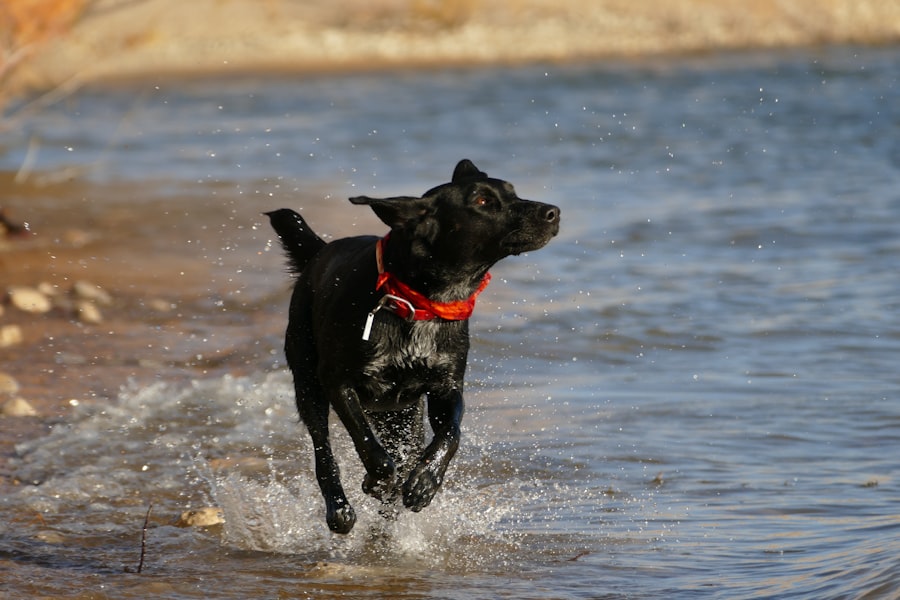
While dogs don’t engage in complex social negotiations, their capacity for understanding and responding to their human companions is remarkable. The bond is not one-sided; it’s a dynamic relationship where subtle cues are exchanged and a deep level of connection is forged.
Recognizing Emotional States
While dogs don’t understand the complexities of human emotions in the same way we do, they are highly attuned to our emotional states. They can sense stress, anxiety, happiness, and sadness through changes in our body language, tone of voice, and even scent. The way my dog nudges my hand when I’m feeling low, or the way their tail wags with particular vigor when I’m happy, are not random occurrences. They are responses to my internal state. This ability to mirror and respond to our emotions creates a powerful feedback loop, reinforcing the sense of being understood and cared for. They offer comfort not through words, but through their very presence and gentle solicitations.
The Role of Routine and Predictability
A significant part of the canine-owner bond is built on routine and predictability. Dogs thrive on structure, and the consistent schedule of walks, meals, and playtime provides them with security. For me, this routine has a similar, albeit less primal, effect. The predictable rhythm of caring for my dog creates a sense of order in my own life. The morning walk, the evening cuddle – these are anchors in my day. This shared routine fosters a sense of purpose and responsibility, which can be particularly beneficial during challenging times. It’s a reminder that another living being relies on me, which can be a powerful motivator.
Sure, here is the sentence with the clickable link:
I love reading about pets, especially Enzo’s adventures, More of Enzo’s Pet News here.
Dogs as Emotional Support Systems: A Unique Form of Care

The contribution of dogs to our emotional well-being is perhaps their most celebrated attribute. They offer a type of solace and support that is distinct and often profoundly impactful. It’s a form of care that is unwavering, unobtrusive, and intrinsically linked to their presence.
Unconditional Emotional Support
This is perhaps the most significant aspect of canine companionship. Dogs provide emotional support unconditionally. They do not require me to be happy, successful, or even particularly pleasant to receive their affection. They remain present and happy regardless of my mood, stress level, or the circumstances of my life. If I’ve had a terrible day, they are still overjoyed to see me. If I’m grappling with a personal crisis, they don’t withdraw. They simply offer their steady presence, a silent reassurance that I am not alone. This unconditional nature of their support is a vital anchor during difficult periods. It’s a constant source of comfort that doesn’t waver or dissipate.
Companionship in Solitude
In an increasingly connected yet paradoxically isolating world, the companionship a dog offers in solitude is invaluable. For those living alone, or even those living with others but feeling a sense of emotional isolation, a dog can fill a significant void. The simple act of having another living being in the house, one that greets you with enthusiasm and looks to you for care, can dramatically improve one’s sense of well-being. The quiet presence beside me as I read or work, the warm weight of them at the foot of my bed – these are tangible manifestations of companionship that combat feelings of loneliness without demanding conversation or complex social engagement.
In exploring the bond between dogs and their human companions, it’s fascinating to consider how technology can enhance our understanding of these relationships. For instance, a related article discusses the emotional connections we form with our pets and how innovations like deep nostalgia can bring cherished memories to life. You can read more about this intriguing concept in the article here. This connection not only highlights the loyalty of dogs but also the profound impact they have on our lives.
The Science Behind the Bond: Beyond Anthropomorphism
While it’s easy to get caught up in the emotional aspect of our relationships with dogs, there’s also a growing scientific understanding of the physiological and psychological benefits. This evidence-based approach moves beyond sentimentalism and highlights the actual impact of canine companionship.
Oxytocin Release: The “Love Hormone”
Research has explored the biological mechanisms that underpin the human-dog bond, particularly the role of oxytocin, often dubbed the “love hormone.” Studies have shown that interactions with dogs, such as petting and gazing, can lead to significant increases in oxytocin levels in both humans and dogs. This hormone is associated with bonding, trust, and feelings of well-being. The mutual release of oxytocin creates a positive feedback loop, reinforcing the affectionate bond between owner and dog. This sheds light on the deeply ingrained connection we experience.
Reduced Stress and Improved Cardiovascular Health
The tangible benefits of dog ownership on physical health are well-documented. Regular walks with a dog promote physical activity, contributing to better cardiovascular health. Furthermore, the presence of a dog has been shown to lower blood pressure and reduce levels of stress hormones like cortisol. This means that the simple act of coming home to my dog, or spending time petting them, can have measurable physiological benefits that contribute to my overall health and longevity. It’s not just about feeling good; it’s about physiological improvements.
The Evolving Definition of “Best Friend”
Ultimately, the question of “who is a dog’s best friend” is not about finding a singular individual or entity. It’s about recognizing the profound and multifaceted role that dogs play in our lives. They are not simply pets; they are companions, confidantes, and sources of unwavering support. Their lack of judgment, their consistent loyalty, and their undeniable capacity for unconditional affection create a bond that, in many ways, stands apart.
A Partnership of Simplicity and Depth
The beauty of the dog-owner relationship lies in its inherent simplicity. There are no expectations of grand gestures, no need for elaborate explanations. It’s a partnership built on mutual presence, care, and affection. Yet, within this simplicity lies a remarkable depth. The silent understanding, the shared routines, and the unwavering emotional support all contribute to a bond that can rival and, in some aspects, even surpass the complexity of human relationships. This is not to diminish human friendships, but to acknowledge the unique and powerful contribution of our canine companions to our lives. Their place as “best friend” is earned through their consistent actions and their inherent nature, a testament to the power of uncomplicated, unconditional love.