
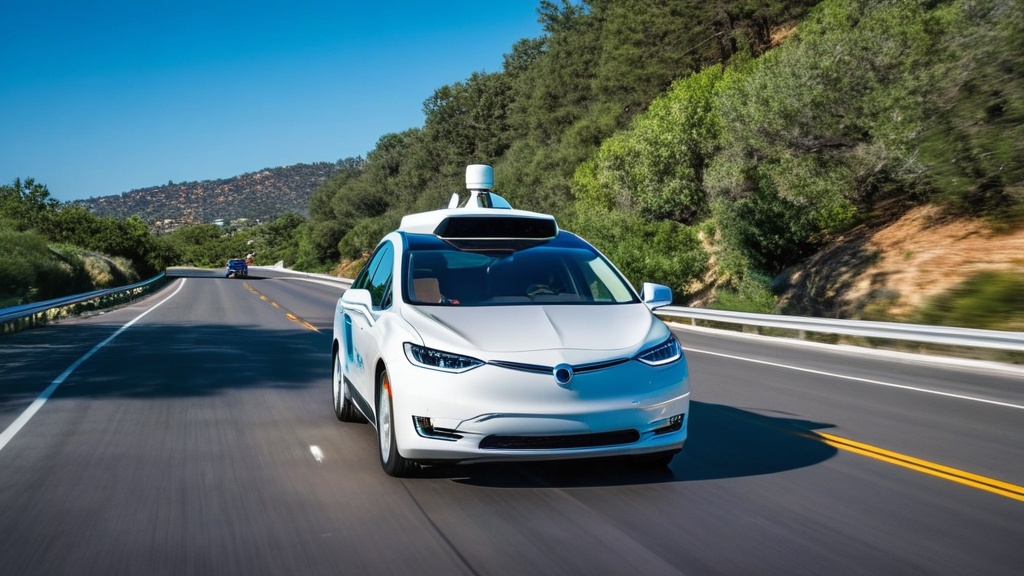
The automotive industry is witnessing a significant escalation in the pursuit of autonomous driving technologies, with numerous established manufacturers and emerging tech giants vying to establish themselves as leaders. This landscape, previously dominated by Tesla’s early adoption of advanced driver-assistance systems (ADAS), is now characterized by a diverse array of approaches and accelerating development timelines. Companies are increasingly focusing on scaling their offerings and demonstrating robust capabilities across varied driving environments.
The trajectory of self-driving technology continues to shift, moving beyond initial promises to tangible deployments and continuous refinement. Developers are integrating a blend of sensor technologies and sophisticated AI algorithms to navigate complex driving situations.
Tesla’s FSD Continues to Lead in Performance
Despite an increasing field of competitors, Tesla’s Full Self-Driving (Supervised) system was recognized by MotorTrend as the top driver assistance system in 2026. This distinction was attributed to its broad capability across diverse road types, encompassing both urban and highway scenarios. The system’s camera-only approach, which has been a point of technical debate, has demonstrated significant advancements in real-world application, outperforming competing offerings like General Motors’ Super Cruise and Ford’s BlueCruise in certain metrics. This sustained performance underscores the efficacy of Tesla’s vision-based strategy and continuous software updates.
Rivian and Chevy’s Developing Capabilities
Other manufacturers, such as Rivian and Chevrolet, are also making strides in this domain. YouTube evaluations comparing various ADAS platforms have consistently positioned Tesla FSD at the forefront, particularly regarding its longevity and the performance of its vision-only technology. Rivian’s Driver+ system, while providing extensive mileage coverage (3.5 million miles), has not yet incorporated features like self-parking. Chevrolet’s Super Cruise also offers notable capabilities, primarily on mapped highways. Rivian has announced plans to launch a more comprehensive semi-autonomous system in 2026, indicating continued investment in this area.
As the race for dominance in the self-driving car industry heats up, many are questioning whether any company can truly rival Tesla’s advancements in autonomous technology. A recent article discusses the implications of new manufacturing capabilities, particularly a new U.S. wafer fabrication plant that could potentially enhance the production of advanced sensors and chips crucial for self-driving systems. For more insights on how these technological developments might impact the automotive landscape, you can read the full article here: New U.S. Wafer Fabrication Plant.
The Ascent of Chinese and Global Competitors
The global race for self-driving supremacy is being significantly shaped by intense competition, particularly from Chinese manufacturers and established automotive players who are accelerating their development cycles and expanding their market penetration. This competitive pressure is not only pushing technological boundaries but also impacting market share and sales figures.
XPeng’s Rapid Advancements with VLA
XPeng, a prominent electric vehicle manufacturer, is making substantial moves in the autonomous driving sector. The company launched its second-generation Vision-Language-Action (VLA) smart driving system across its entire lineup, with a widespread rollout anticipated by March 2026. This development, as analyzed by Morgan Stanley, positions XPeng in direct global competition with Tesla’s Full Self-Driving system. The integration of advanced vision and language models is intended to provide a more intuitive and capable autonomous driving experience, potentially bridging capabilities previously seen as exclusive to early market leaders.
BYD’s Broad Deployment of God’s Eye
BYD, a global leader in electric vehicle production, has deployed its God’s Eye 5.0 self-driving software across an impressive 2.3 million vehicles in China. This system incorporates a multi-sensor suite, including cameras, ultrasonic sensors, and radar, to provide enhanced autonomy. The sheer scale of this deployment signifies BYD’s commitment to integrating advanced driver assistance into its mass-market offerings, thereby enhancing consumer autonomy across a substantial vehicle base. This broad rollout makes BYD a significant player in the high-volume adoption of self-driving features, rivaling the reach of some global counterparts.
Xiaomi’s Strategic Entry with LiDAR
Xiaomi, primarily known as a consumer electronics giant, is making a strategic entry into the automotive market with its SU7 model. Scheduled for an April 2026 launch, the SU7 will include LiDAR as a standard feature, alongside enhanced smart-driving capabilities, at a price point positioned below Tesla offerings. The company’s YU7 SUV variant is also targeting the Model Y segment, with an ambitious delivery goal of 550,000 units. The inclusion of LiDAR, a technology often excluded by Tesla in favor of pure vision, suggests a different technological approach aimed at augmenting sensor data for improved environmental perception and safety.
Scaling Robotaxi Services
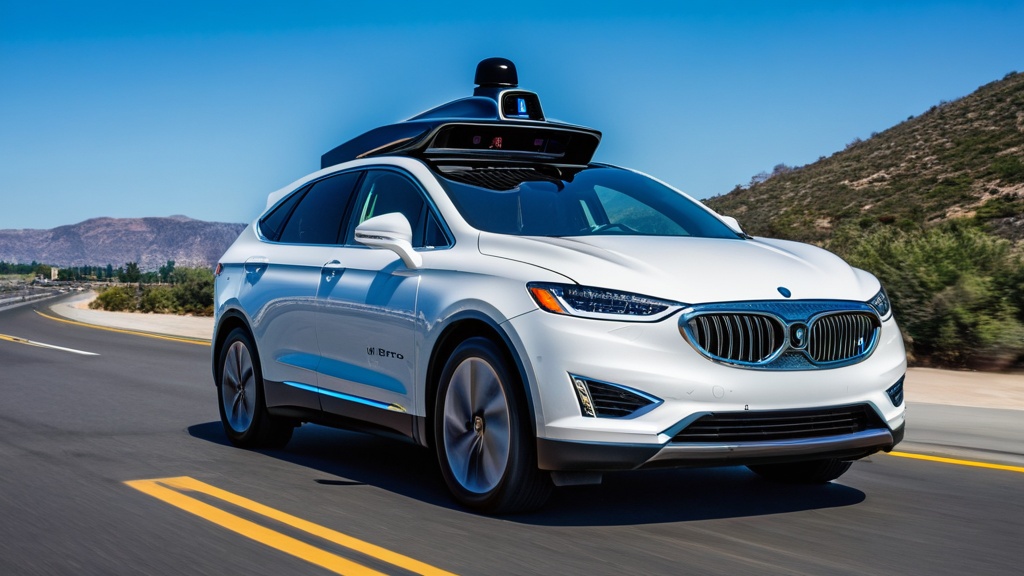
Beyond personal vehicle autonomy, the development and deployment of fully autonomous robotaxi services represent a significant frontier in the self-driving race. Companies are investing heavily in purpose-built vehicles and expanding operational territories to capture this nascent market.
Tesla’s Cybercab Production and Expansion
Tesla has commenced production of its fully autonomous, steering-wheel-free Cybercab at Gigafactory Texas. This initiative marks a crucial step in Tesla’s broader robotaxi strategy. The company plans to expand its robotaxi services to seven new cities in the first half of 2026, building upon existing operations in Austin and San Francisco. The Cybercab is designed for dedicated autonomous operation, eliminating the need for a human driver and signaling Tesla’s long-term vision for a network of on-demand self-driving vehicles. This expansion aims to solidify Tesla’s first-mover advantage in the commercial deployment of driverless mobility.
Waymo’s Partnership with Geely for Scalability
Waymo, a pioneering force in autonomous driving, has announced its next-generation Waymo Ojai vehicle, developed in collaboration with Geely. This partnership is strategically aimed at reducing the costs associated with autonomous vehicle production and facilitating the scaling of robotaxi services. The focus on cost-efficiency and mass production through collaboration with an established automotive manufacturer could enable Waymo to expand its operations significantly, potentially reaching an unmatched scale outside of China, where Baidu currently holds a leading position in robotaxi services. This collaboration highlights a trend towards strategic alliances to accelerate market penetration.
Learn more technology news at AITV.
Competitive Pressures and Market Dynamics
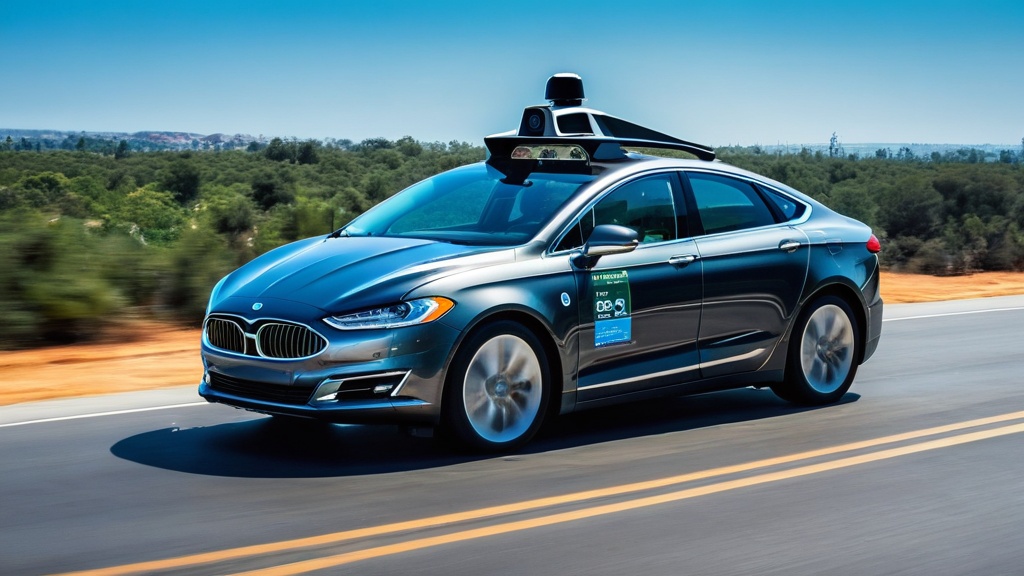
The intensifying competition in the autonomous vehicle sector is generating significant market pressure, particularly for established players. Sales figures and revenue reports from various companies underscore the dynamic nature of this evolving industry.
BYD and Geely Outpace Tesla in Sales
Recent sales data indicates a noticeable shift in the automotive landscape. Geely reported sales of 3.02 million vehicles, including 1.69 million New Energy Vehicles (NEVs), marking a significant 90% increase. BYD, a major competitor, further demonstrated its market strength by selling 2.26 million vehicles, surpassing Tesla’s 1.64 million EV sales during the same period. These figures illustrate the rapid growth and increasing market share of Chinese manufacturers in both the broader automotive and electric vehicle segments. Tesla, while maintaining a strong presence, is facing heightened competition from these high-volume players.
Lucid’s Revenue Growth Challenges Dominance
Lucid Motors, a manufacturer of luxury electric vehicles, reported fourth-quarter revenue of $523 million. While these figures are not directly comparable to the immense sales volumes of mass-market manufacturers, Lucid’s revenue growth indicates a successful penetration into the premium EV segment. This success, along with the increasing sales of other electric vehicle manufacturers, contributes to a more diversified market. For Tesla, which has long enjoyed a dominant position in the electric vehicle sector, the emergence of well-funded and technologically capable competitors like Lucid represents a challenge to its market leadership and pricing strategies. The aggregated efforts of these diverse manufacturers are creating a progressively more competitive global automotive environment.
As the race for dominance in the self-driving car industry intensifies, many are questioning whether any competitors can truly rival Tesla’s innovative technology and market presence. A recent article explores the advancements in drone delivery systems, which could potentially reshape the landscape of transportation and logistics, further complicating the competition in autonomous vehicles. For more insights on how emerging technologies might influence this sector, you can read the full article on drone delivery.
The Future Trajectory of Autonomous Driving
The continued investment and rapid development in autonomous driving signal a clear trajectory toward a future where self-driving technology is more prevalent. The current landscape is characterized by a mix of technological approaches, strategic partnerships, and intense competition.
Divergent Technological Strategies
The diverse technological strategies employed by different companies highlight a key aspect of the autonomous driving race. Tesla’s continued reliance on a vision-only system, refined through extensive data and AI, stands in contrast to approaches that integrate LiDAR, radar, and ultrasonic sensors. Xiaomi’s SU7, with its standard LiDAR offerings, exemplifies this alternative strategy, aiming to provide a robust sensory input for environmental perception. Waymo’s integration of its proprietary sensor suite with Geely’s manufacturing capabilities also represents a multi-faceted approach. These divergent methods suggest that there is no single, universally accepted solution, and the efficacy of each will likely be determined by real-world performance, safety records, and cost-effectiveness. The market will continue to observe which of these strategies ultimately proves most scalable and reliable across varied global driving conditions.
Anticipated Milestones and Challenges
Looking ahead to 2026 and beyond, several critical milestones and challenges are anticipated. The widespread rollout of XPeng’s VLA system, Rivian’s semi-autonomous advancements, and Tesla’s aggressive expansion of Cybercab services will be key indicators of market adoption and technological maturity. Regulatory frameworks will continue to evolve, playing a crucial role in enabling or restricting the deployment of autonomous vehicles, particularly for Level 4 and Level 5 systems. Furthermore, public acceptance and trust in self-driving technology remain significant hurdles that manufacturers must address through demonstrated safety and reliability. The integration of these advanced systems into urban infrastructures and the development of robust cybersecurity measures will also be central to the long-term success of autonomous driving. The competitive landscape will undoubtedly remain dynamic, with ongoing innovation and strategic maneuvering defining the progressive phases of this transformative technology.
FAQs
What are self-driving cars?
Self-driving cars, also known as autonomous vehicles, are vehicles that can operate without human intervention. They use a combination of sensors, cameras, and artificial intelligence to navigate and make decisions on the road.
Can anyone rival Tesla in the self-driving car industry?
Several companies are working to rival Tesla in the self-driving car industry, including Waymo (owned by Alphabet Inc.), General Motors (through its subsidiary Cruise), and Ford. These companies are investing heavily in research and development to compete with Tesla’s advanced autonomous driving technology.
What are the challenges in developing self-driving cars?
Developing self-driving cars presents several challenges, including ensuring safety and reliability, navigating complex and dynamic environments, addressing regulatory and legal issues, and gaining public trust in the technology.
How do self-driving cars work?
Self-driving cars use a combination of sensors, such as radar, lidar, and cameras, to perceive their surroundings. They then use artificial intelligence and machine learning algorithms to interpret this data and make decisions about how to navigate the road, including steering, accelerating, and braking.
What are the potential benefits of self-driving cars?
Self-driving cars have the potential to improve road safety by reducing human error, increase mobility for people who are unable to drive, reduce traffic congestion, and lower the environmental impact of transportation through more efficient driving behaviors.