
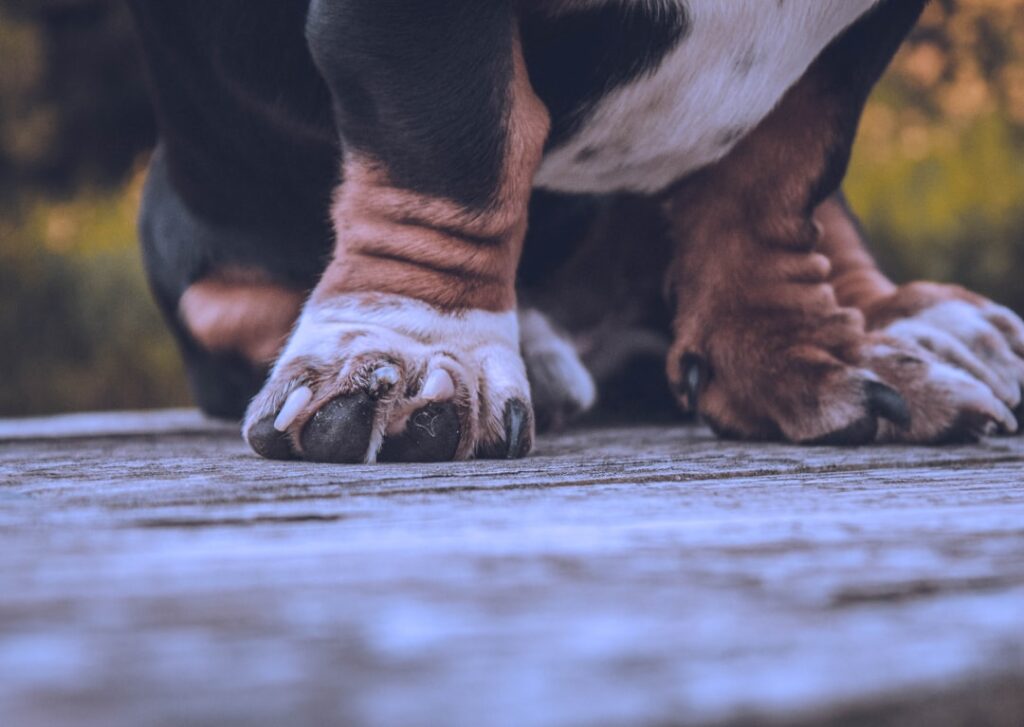
I often observe my dog, a beagle mix named Barley, engaging in what appears to be an endless battle against his own paws. The rhythmic sound of his tongue against his skin is a familiar soundtrack to my evenings, occasionally punctuated by a more frantic, insistent chewing. As someone deeply invested in his well-being, I’ve delved into the scientific explanations behind this common canine behavior. My research, coupled with my experiences and discussions with veterinary professionals, has provided me with a comprehensive understanding of why dogs, including my Barley, lick and chew their paws.
My initial thought when observing Barley’s paw-licking was simply that his paws must be itchy. This intuitive leap, it turns out, is scientifically sound. Licking is a primary coping mechanism for dogs, a biological imperative to address discomfort or irritation. It’s an innate behavior, much like a human scratching an itch. However, for dogs, this act can quickly escalate from self-soothing to self-harm if the underlying cause isn’t addressed.
A. Initial Relief and the Cycle of Itch
When Barley begins to lick, I recognize it as an attempt to find immediate relief from an irritant. The act of licking releases endorphins, creating a temporary sense of well-being. This is a crucial point regarding the perpetuation of the behavior; the dog learns that licking offers a form of comfort, even if it’s ultimately detrimental. What begins as a response to a genuine itch can, over time, become a habitual coping mechanism, even in the absence of the initial discomfort, though the discomfort is almost always still present. This cycle of itch, lick, temporary relief, and increased irritation is a vicious one.
B. Grooming vs. Excessive Licking
It is important for me to distinguish between normal grooming and excessive licking. Normal grooming involves occasional, deliberate licks to clean the paws. This is a healthy, natural behavior. Excessive licking, however, is characterized by its frequency, intensity, and duration. If I observe Barley consistently licking or chewing the same paw, or if his licking is accompanied by redness, swelling, or hair loss, I know it transcends routine hygiene and warrants closer investigation. My experience suggests that the line between normal and excessive can sometimes be subtle, but the persistence of the behavior is a key indicator.
If you’re curious about the behaviors of pets and how they communicate their needs, you might find the article on baby translation interesting. It explores the ways in which animals, much like babies, express their feelings and discomfort through various actions. Understanding these signals can help pet owners better respond to their furry friends. To read more about this fascinating topic, visit this article.
II. The Primary Culprit: Allergic Reactions
My research consistently points to allergies as the predominant reason for excessive paw licking. This resonates strongly with my experience, particularly as Barley has presented with seasonal allergies in the past. The immune system, in an attempt to protect the body, sometimes overreacts to otherwise harmless substances, triggering an inflammatory response that manifests as unbearable itchiness on the skin. The paws, being in direct contact with various environmental allergens, are often the first victims.
A. Environmental Allergies: The Seasonal and Perennial Triggers
I understand environmental allergies to be a significant player in canine paw discomfort. These can be seasonal, akin to human hay fever, where pollen from grasses, trees, and weeds triggers a strong immune response. When spring arrives, I often notice a spike in Barley’s paw-licking, which I attribute to the increased pollen count. However, environmental allergies can also be perennial, meaning year-round. Dust mites, mold spores, and even certain fabrics in the home can be constant irritants. My duty of care involves regular cleaning and monitoring his environment to minimize exposure to these allergens.
B. Flea Allergies: A Tiny But Potent Threat
Even though I maintain a strict flea prevention regimen for Barley, I never rule out flea allergies as a potential cause. A single flea bite can initiate an intense allergic reaction in a sensitized dog, leading to widespread itchiness, with the paws often being a prime target as the dog attempts to alleviate the discomfort. The saliva of the flea contains proteins that trigger this hypersensitive response. The intensity of the reaction is often disproportionate to the number of fleas present, which makes diagnosis sometimes challenging if I’m not vigilant.
C. Food Allergies: A Persistent, Year-Round Challenge
Food allergies, I’ve learned, present a unique and often frustrating challenge due to their persistent, year-round nature. Unlike seasonal allergies, which offer periods of respite, food allergies mean relentless itching. The scientific consensus is that these allergies are typically triggered by specific protein sources in a dog’s diet, such as chicken, beef, dairy, wheat, or eggs. Even minuscule amounts of these trigger ingredients can elicit a profound allergic response. My previous attempts to identify Barley’s potential food sensitivities involved strict elimination diets, a process that requires patience and meticulous attention to his intake. This is where I find the science particularly helpful, guiding me away from anecdotal assumptions and towards structured diagnostic approaches.
III. The Vicious Cycle: Secondary Infections
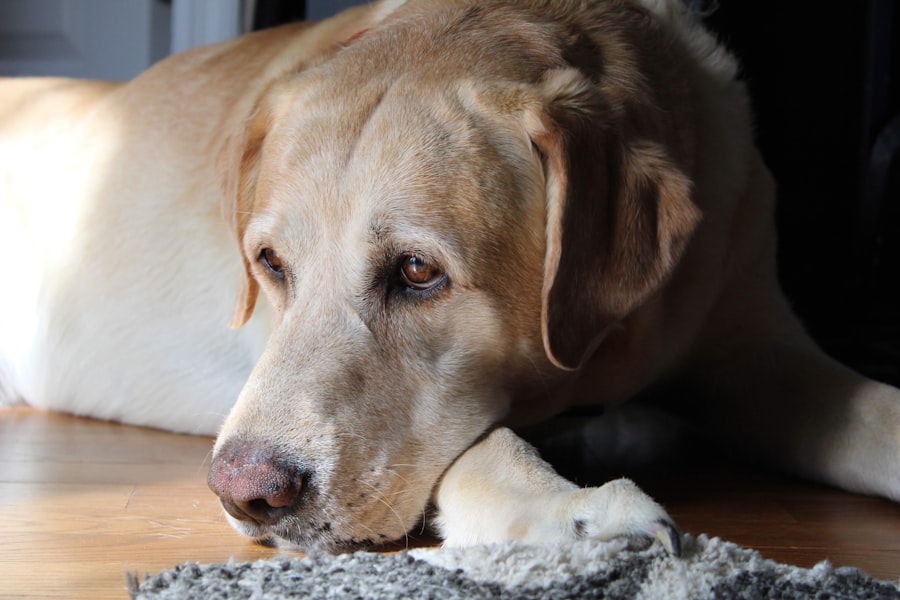
One of the most concerning aspects of excessive paw licking, in my opinion, is the increased susceptibility to secondary infections. When Barley persistently licks his paws, he compromises the integrity of his skin barrier. The constant moisture and warmth, combined with microscopic abrasions from the licking itself, create an ideal breeding ground for bacteria and yeast. This is a critical point in the pathology of persistent paw issues.
A. Bacterial Infections: Staphylococcus and Beyond
I’ve had experience with bacterial infections complicating Barley’s paw issues. The most common culprit is Staphylococcus pseudintermedius, a bacterium that normally resides on canine skin but can proliferate rapidly when the skin barrier is damaged. These infections manifest as redness, swelling, pustules, and sometimes a foul odor. The itching intensifies, leading to more licking, which further exacerbates the infection – a truly vicious cycle. My focus is always on breaking this cycle, often with the help of veterinary prescribed antibiotics or topical treatments.
B. Yeast Infections: The Malodorous Menace
Yeast infections, primarily caused by Malassezia pachydermatis, are another common secondary invader. I can often identify these by a distinct, sweet, often pungent odor emanating from Barley’s paws, accompanied by greasy skin and a brownish discoloration between his toes. Like bacterial infections, yeast infections contribute significantly to the itch and discomfort, driving the dog to continue licking. Managing these infections often involves antifungal medications, sometimes in conjunction with medicated paw soaks.
C. The Reinforcement of Itch
The presence of secondary infections intensifies the itch substantially, making it incredibly difficult for the dog to stop licking. The inflammation and irritation caused by bacteria and yeast create a feedback loop where the discomfort drives the licking, which in turn fuels the infection, leading to even greater discomfort. My goal, alongside the vet, is always to address both the primary allergic trigger and the secondary infections simultaneously, as neglecting either will likely result in a recurrence of the problem.
Sure, here is the sentence with the clickable link:
I love reading about pets, especially Enzo’s adventures, More of Enzo’s Pet News here.
IV. Addressing Pain and Injury
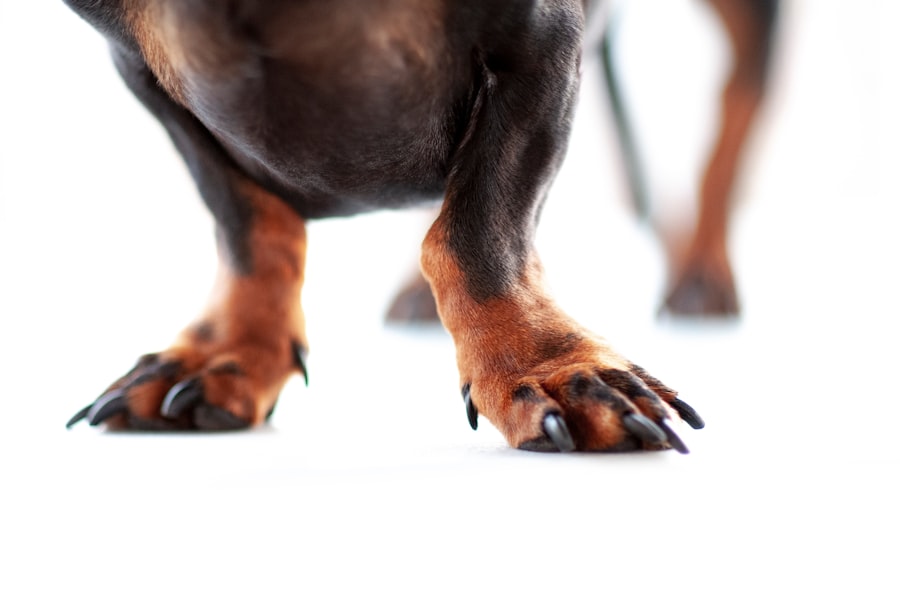
Beyond allergies and infections, I understand that physical pain and injury are also significant contributors to paw licking. A dog’s instinct is to attend to wounds or areas of discomfort, and the paws, being constantly exposed, are particularly vulnerable. My observations dictate that sudden, focused licking on a single paw is almost always indicative of localized pain or injury.
A. Traumatic Injuries: Cuts, Thorns, and Splinters
I regularly inspect Barley’s paws for any signs of injury, especially after walks. Stepping on sharp objects, thorns, or even small splinters can cause acute pain, leading to immediate and intense licking. Even minor cuts or abrasions can become bothersome. My initial response to such an observation is to carefully examine the paw, clean any visible wounds, and assess the extent of the injury. Early detection here is crucial to prevent infection and promote healing.
B. Nail and Pad Issues
Nail-related problems are another common source of discomfort. An ingrown nail, a cracked nail, or even a nail torn during play can be incredibly painful. Similarly, paw pad injuries, such as burns from hot pavement, lacerations, or excessive dryness leading to cracks, will prompt a dog to lick the affected area persistently. I must be vigilant in examining his nails and pads, particularly during extreme weather conditions.
C. Arthritis and Orthopedic Concerns
While less common for direct paw licking, arthritis or other orthopedic issues affecting the paw joints can also lead to increased licking as a way to self-soothe. If I notice Barley licking a specific paw consistently, especially an older dog or one with a history of joint issues, I consider the possibility of underlying musculoskeletal pain. The licking might be an attempt to stimulate blood flow or simply to provide a form of tactile relief from chronic ache. This requires a veterinary assessment, often including radiographs, to confirm.
Understanding why dogs chew and lick their paws can lead to better care for our furry friends. Many pet owners may notice this behavior and wonder if it is a sign of anxiety or a health issue. For those interested in exploring more about the impact of environmental factors on pet behavior, a related article discusses the implications of new manufacturing processes on local ecosystems, which can indirectly affect our pets. You can read more about it in this informative piece.
V. Environmental and Behavioral Factors
When medical causes have been thoroughly investigated and ruled out, I turn my attention to environmental irritants and behavioral factors. This is often a more challenging area to navigate, as the causes can be subtle and deeply intertwined with the dog’s daily life.
A. Contact Dermatitis: Exogenous Irritants
My knowledge of dermatological science indicates that contact dermatitis can arise from a multitude of sources. These are not true allergies but rather direct irritating reactions. Substances like harsh yard chemicals, de-icing salts used in winter, certain types of grass, or even cleaning products applied to floors can cause significant irritation upon contact with the paws. I have learned to be meticulous about what Barley walks on and what chemicals are used in and around my home. The reddening and irritation are usually confined to the contact area, which helps in identifying the source.
B. Boredom and Anxiety: Psychological Triggers
When the vet gives Barley a clean bill of health, and I’ve eliminated all plausible medical and environmental causes, I then consider psychological factors. Boredom and anxiety are well-documented triggers for compulsive behaviors in dogs, and excessive paw licking is a common manifestation. A dog that is under-stimulated, left alone for extended periods, or experiencing separation anxiety may turn to licking as a self-soothing mechanism, similar to how a human might bite their nails when stressed. My response here involves increasing his mental and physical enrichment, ensuring he has adequate exercise, toys, and opportunities for interaction.
C. Compulsive Disorders: A Feedback Loop of Self-Soothing
In some cases, excessive licking can escalate into a true compulsive disorder. This is typically observed when the behavior becomes so ingrained that the dog continues to lick even when the initial trigger is no longer present, or when the licking serves no apparent purpose other than the act itself. The endorphin release associated with licking can reinforce the behavior, making it difficult to stop. This is a complex area that often requires a multi-faceted approach, potentially involving behavioral modification techniques, environmental enrichment, and, in severe cases, veterinary consultation for anxiolytic medications to help break the cycle. I am careful not to anthropomorphize, but I recognize the psychological component as a very real, and often overlooked, part of canine health.
If you’re curious about the reasons behind a dog’s behavior, such as why they chew and lick their paws, you might find it helpful to explore related topics that delve into animal behavior and health. For instance, understanding the broader implications of stress and anxiety in pets can shed light on these habits. A fascinating article discusses the impact of global alliances on economic factors, which can indirectly affect pet care and resources. You can read more about this in the article on BRICS alliances and their impact on the US dollar.
VI. The Imperative of Early Intervention
My experience as a dog owner has taught me the critical importance of early intervention when it comes to any concerning behavior, especially paw licking. Ignoring the issue, or hoping it will resolve on its own, almost invariably leads to a worsening of the problem, increased discomfort for my dog, and more complex and costly treatments down the line. The science supports this anecdotal observation, highlighting the progressive nature of these conditions.
A. Preventing Escalation to Chronic Conditions
Allowing paw licking and chewing to persist without addressing the root cause often leads to the problem becoming chronic. What starts as a mild itch can quickly spiral into deep-seated infections, thickened skin (lichenification), and even permanent behavioral adaptations. My vigilance is aimed at interrupting this progression, ensuring that a minor irritation doesn’t evolve into a pervasive, long-standing health issue. The financial and emotional burden of chronic conditions is something I strive to avoid for both Barley and myself.
B. The Role of the Veterinarian: Accurate Diagnosis
My role as an owner is to observe and report, but the expertise of a veterinarian is indispensable for an accurate diagnosis. They have the tools and training to perform skin scrapings, cytology, cultures, allergy testing, and elimination diets. Self-diagnosis, while often well-intentioned, can lead to misdirected treatments and prolonged suffering for the dog. I understand that a proper diagnosis is the cornerstone of effective treatment, irrespective of whether the cause is allergic, infectious, painful, or behavioral.
C. Tailored Treatment Plans
Once a diagnosis is established, a tailored treatment plan can be implemented. This might involve a combination of approaches: anti-itch medications (antihistamines, corticosteroids, or newer immunomodulatory drugs), antibiotics or antifungals for secondary infections, pain relief for injuries, environmental modifications, or behavioral therapy. My goal is always to work collaboratively with my vet to develop and adhere to a comprehensive plan that addresses all aspects of Barley’s paw health. My personal commitment to his well-being means I am prepared to invest the necessary time and resources to alleviate his discomfort and improve his quality of life. The science behind each of these interventions is robust, offering a clear path to resolution when correctly applied.
[1] Dr. Karen Becker, “Why Do Dogs Lick Their Paws So Much?”, Mercola Healthy Pets, accessed October 26, 2023.
[2] Dr. Judy Morgan, DVM, “Food Allergies vs. Environmental Allergies in Dogs,” accessed October 26, 2023.
[3] VCA Hospitals, “Why Does My Dog Keep Licking Their Paws?”, accessed October 26, 2023.
[5] petMD, “Why Is My Dog Licking His Paws So Much?”, accessed October 26, 2023.