
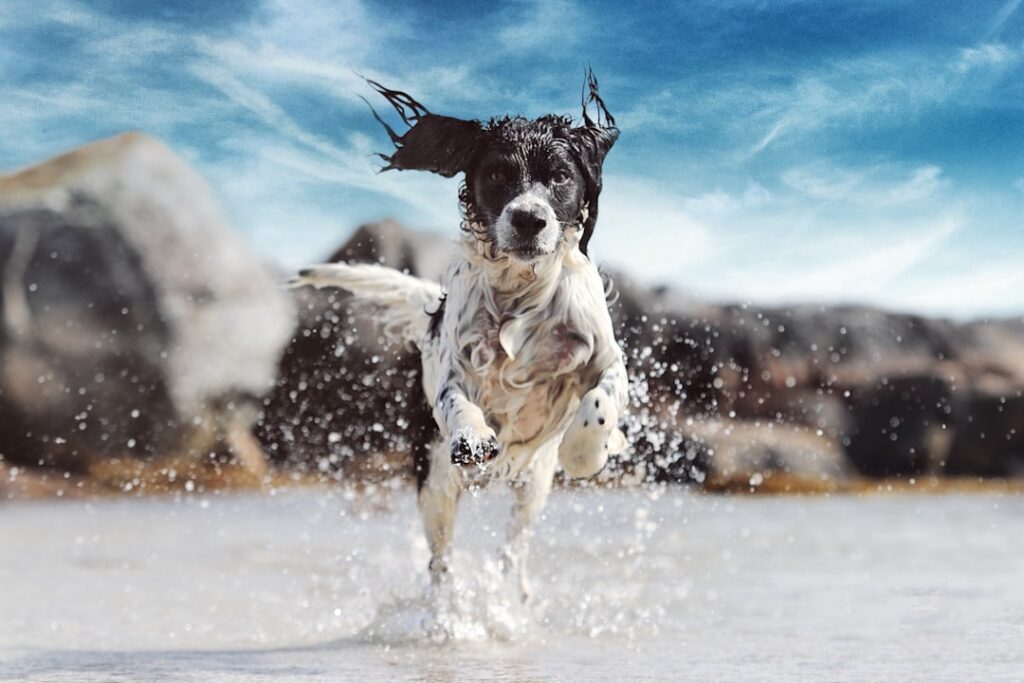
I’m always looking for ways to give my beloved canine companion the best life possible. He brings so much joy into my world, and in return, I want to ensure he thrives for as long as he can. It’s a commitment I take seriously, and through a lot of research, vet consultations, and personal experience, I’ve gathered some essential tips that I believe are crucial for a longer, healthier life for my dog. I want to share these insights with other dog parents who feel the same way I do.
One of the most impactful things I’ve learned about my dog’s longevity is the direct correlation between his weight and his overall health. It’s not just about looking good; it’s about preventing a cascade of health issues.
The Dangers of Excess Weight
I once heard a statistic that truly shocked me: studies have shown that keeping dogs lean, for example, by feeding them 25% less food, can extend their lives by approximately two years, especially evident in breeds like Labradors. Two years! That’s a significant portion of a dog’s life. This fact alone was enough to make me scrutinize every meal and treat. Obesity in dogs, much like in humans, leads to a host of problems including joint issues, heart disease, diabetes, and even certain types of cancer. It puts undue strain on their organs and musculoskeletal system, diminishing their quality of life long before it takes years off their life. I know I want my dog to be comfortable and active well into his golden years, and that starts with his waistline.
Calorie Control and Smart Snacking
To maintain my dog’s ideal weight, I’ve become very diligent about calorie control. I work closely with my veterinarian to determine the appropriate daily caloric intake for his breed, age, and activity level. It’s not a one-size-fits-all approach; puppies need different nutrition than seniors, and an active working dog needs more fuel than a couch potato. I precisely measure his food at every meal. Eyeballing it isn’t accurate enough.
Treats are another area where I’ve had to be disciplined. I used to hand out treats quite liberally, thinking I was showing affection. Now, I understand that too many treats, especially calorie-dense ones, can quickly sabotage his diet. I limit treats significantly and opt for healthier, low-calorie options like small pieces of carrot or green beans. People food is almost entirely off-limits; many human foods are not only unhealthy for dogs but can be toxic. I’ve also found immense value in keeping a food log. It helps me stay accountable and provides a clear picture of his daily intake, allowing me to make adjustments as needed. If I ever feel unsure about his diet, especially if I notice changes in his appetite or energy, I consult my vet immediately for a tailored diet plan.
The Role of Daily Aerobic Exercise
Calorie control goes hand-in-hand with daily exercise. It’s not enough to just restrict food; a dog needs to burn off energy and maintain muscle tone. I ensure my dog gets daily aerobic exercise for at least 30 minutes. This could be a brisk walk, a good game of fetch in the park, or a swim if we’re near a safe water source. This isn’t just about burning calories; it keeps his metabolism healthy and his heart strong.
To explore more ways to enhance your dog’s longevity and overall health, you might find the article “10 Essential Tips for a Healthier Pet” particularly insightful. This resource offers practical advice on nutrition, exercise, and regular veterinary care that can significantly contribute to your dog’s well-being. You can read it here: 10 Essential Tips for a Healthier Pet.
Prioritizing Consistent Exercise
Exercise is more than just maintaining weight; it’s fundamental to my dog’s overall physical and mental well-being. A well-exercised dog is generally a happier, healthier, and better-behaved dog.
The Balance of Activity and Routine
I aim for 30 minutes to two hours of exercise daily for my dog, depending on how much energy he has and what our schedule allows. This isn’t just a casual stroll; it’s active engagement. Walks are a staple, but I also incorporate games like fetch, a good run in a dog-friendly park, or even swimming, which is excellent for his joints. I’ve found that mixing up his routines keeps things interesting for both of us. Doing the same walk every day can become monotonous, and he gets less out of it. By varying our routes, visiting new parks, or introducing new activities, I keep him engaged and excited about his daily outings.
Mental Stimulation is Key
Beyond physical exertion, I’ve learned the immense importance of mental stimulation. My dog isn’t just a body; he has a keen mind that needs to be challenged. Teaching him new tricks is a fantastic way to engage his brain. It builds our bond, and he loves the reward of praise and a healthy treat. Exploring new routes during our walks provides him with a wealth of new smells and sights, which are incredibly stimulating. Puzzle toys that dispense treats when manipulated are another favorite. These keep him occupied and thinking, especially on days when the weather prevents us from getting as much outdoor time as we’d like.
Some dogs thrive on having a “job.” While my dog doesn’t herd sheep, I’ve found ways to give him little tasks, like carrying a lightweight pack on hikes or helping me “find” things around the house with a sniffing game. This purposefulness contributes significantly to his mental health and overall contentment. A mentally stimulated dog is less likely to develop destructive behaviors stemming from boredom or pent-up energy.
Nourishing with a High-Quality Diet

What I put into my dog’s bowl is as crucial as how much. A high-quality, balanced diet is the cornerstone of his health, supporting everything from his immune system to his coat’s shine.
Decoding the Ideal Canine Diet
I’ve invested significant time in understanding canine nutrition, and what I’ve learned has fundamentally changed how I feed my dog. My focus is on low-carb diets, especially avoiding high percentages of carbohydrates in dry kibble. I aim for diets where carbohydrates make up less than 15% of the dry matter. My veterinarian helped me understand that while dogs can digest carbohydrates, their bodies are primarily designed to thrive on protein and healthy fats.
I prioritize whole, minimally processed foods. Just like with human diets, the less processed the food, the more nutrients it retains. This means looking for foods with identifiable ingredients, avoiding fillers, and artificial colors or preservatives. I also look for food rich in antioxidants, which combat free radicals and support cellular health. Ingredients like berries, leafy greens, and certain spices (in dog-safe forms) can offer a natural boost of antioxidants.
The Gut Health Revolution
Research into canine health increasingly emphasizes the importance of gut health. A healthy gut microbiome is crucial for digestion, nutrient absorption, and a strong immune system. I’ve started incorporating fermented foods into my dog’s diet, such as a small dollop of plain, unsweetened yogurt or kefir, which contain beneficial probiotics. Of course, I always ensure these are free of xylitol or other harmful ingredients.
Tailored Nutrition and Supplements
Nutrition isn’t static; it needs to be tailored to my dog’s specific needs as he ages, grows, and his activity levels change. A growing puppy needs different protein-to-fat ratios than a senior dog who might benefit from joint-supporting ingredients. I consult my vet regularly to ensure his diet evolves appropriately.
I also consider supplements where necessary. Omega-3 fatty acids, for instance, are fantastic for skin and coat health, joint mobility, and even cognitive function. I use a high-quality fish oil supplement, ensuring it’s specifically formulated for dogs and free of contaminants. It’s not about overwhelming him with supplements, but strategically adding what might be missing or beneficial for his unique needs.
Sure, here is the sentence with the clickable link:
I love reading about pets, especially Enzo’s adventures, More of Enzo’s Pet News here.
Essential Regular Veterinary Care

My vet is an indispensable partner in my dog’s long-term health plan. Regular veterinary care is not just about reacting to illness; it’s about proactive prevention and early detection.
The Power of Annual (and Bi-Annual) Check-ups
I schedule annual exams for my dog without fail. When he transitions into his senior years, I’ll increase these to bi-annual check-ups, as older dogs can develop health issues more rapidly. These comprehensive exams allow my vet to catch potential problems early, often before they become serious or noticeable to me. During these visits, my vet checks everything from his heart and lungs to his joints and skin, ensuring he’s getting a full assessment.
Vaccinations are also a critical part of these visits, protecting him from preventable diseases. I ensure he’s up-to-date on all recommended vaccines based on our local environment and his lifestyle. Parasite prevention is another non-negotiable aspect. Fleas, ticks, and worms can cause significant health problems, not to mention discomfort. My vet prescribes appropriate preventative medications, and I administer them diligently.
The Wisdom of Regular Bloodwork
Beyond the physical exam, I advocate for regular bloodwork, especially as my dog ages. These tests can reveal underlying issues with organ function, blood counts, and metabolic processes long before any physical symptoms manifest. Early detection allows for timely intervention, whether it’s dietary changes, medication, or further diagnostic tests, significantly improving the prognosis for many conditions.
Professional Dental Care
I used to underestimate the importance of dental health, but my vet educated me on its profound impact. Professional dental cleanings are now a yearly ritual for my dog. While I do my best with home care, a professional cleaning under anesthesia allows the vet to thoroughly scale away plaque and tartar, polish his teeth, and check for any issues below the gumline that I can’t see.
To enhance your dog’s longevity and overall health, consider exploring various aspects of their diet, exercise, and mental stimulation. For instance, a well-balanced diet rich in nutrients can significantly impact their lifespan. Additionally, regular physical activity helps maintain a healthy weight and keeps their joints flexible. If you’re interested in discovering more about influential practices that can improve your pet’s well-being, you might find this article on influential companies particularly insightful, as it highlights innovative approaches that can also apply to pet care.
Prioritizing Oral Hygiene
Building on professional cleanings, daily dental hygiene at home is something I’ve become incredibly committed to. It’s not just about fresh breath; it’s about systemic health.
The Link Between Oral and Organ Health
My vet explained that periodontal disease is incredibly common in dogs, and it’s not just an aesthetic issue. The bacteria from infected gums can enter the bloodstream and travel to vital organs like the heart, liver, and kidneys, causing serious and sometimes irreversible damage. This revelation was a game-changer for me. The thought of my dog suffering from heart disease because I neglected his teeth was a powerful motivator.
My Daily Brushing Routine
Now, I brush my dog’s teeth daily, or at least several times a week. It took some patience and positive reinforcement to get him used to it, but now it’s just another part of our routine. I use a dog-specific toothbrush and toothpaste (never human toothpaste, which can contain toxic ingredients like xylitol). Starting slowly, introducing the taste of the toothpaste, and then gradually progressing to brushing a few teeth at a time made the process much smoother. Even if I can’t get every single tooth perfectly clean every time, consistency is what matters most. It significantly reduces plaque buildup and keeps his gums healthy between professional cleanings.
In addition to brushing, I also provide dental chews and toys specifically designed to help clean teeth, but these are always supplementary and never a replacement for manual brushing or professional care.
Conclusion
My dog is more than just a pet; he’s family. The tips I’ve outlined above are not just a list of chores; they are an expression of my love and commitment to his well-being. From maintaining an ideal weight and ensuring consistent exercise to providing a high-quality diet and prioritizing vet care and oral hygiene, every action I take is aimed at giving him the longest, healthiest, and happiest life possible. It requires dedication and consistency, but the joy he brings into my life makes every effort completely worthwhile. I hope my experience can help other dog parents on their journey to providing their furry friends with the best possible life.