
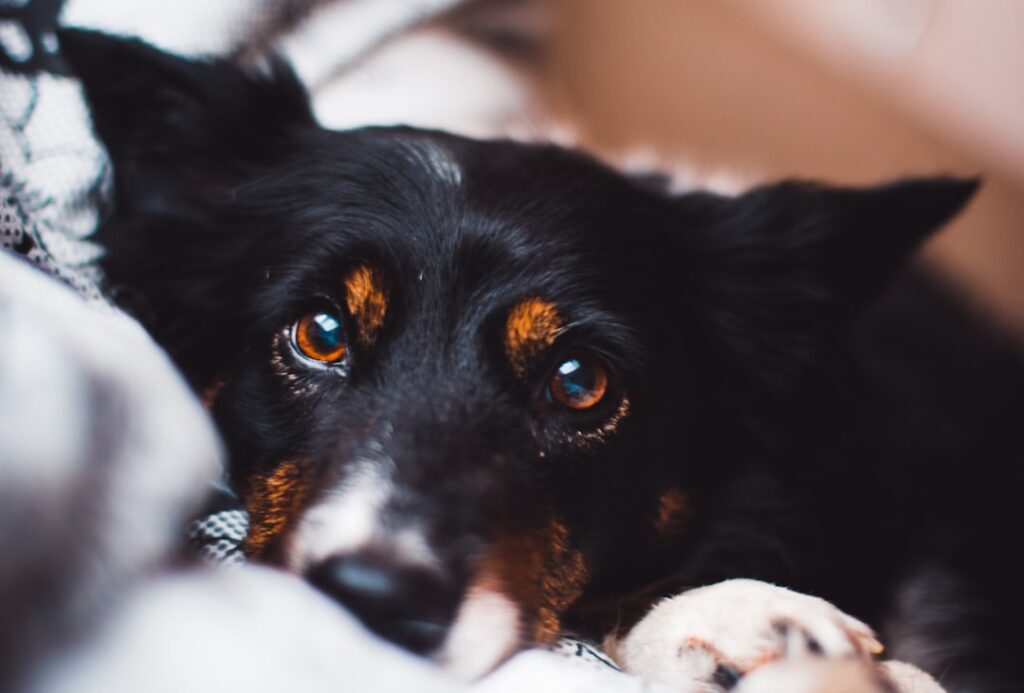
The frantic pacing, the mournful whimpers that pierce the silence, the wide, fearful eyes – these are the tell-tale signs that my furry companion is experiencing anxiety. For a long time, I felt helpless watching my dog struggle with these overwhelming emotions. It was heartbreaking, and frankly, exhausting. I tried everything I could think of, from endless reassurances to ignoring the outward signs, hoping they would simply disappear. But anxiety, I’ve learned, is a complex beast, and it requires a thoughtful, empathetic, and informed approach. Over time, through trial and error, and with a lot of research, I’ve discovered strategies that genuinely make a difference. This isn’t about magically curing my dog’s anxiety overnight, but rather about giving them the tools and support to navigate their worries, and in doing so, finding a calmer, happier existence for both of us.
One of the most impactful shifts I made in my dog’s life, and consequently in my own, was consciously creating a dedicated safe space. Before, my dog would often try to burrow under furniture or squeeze into the smallest possible corner when they felt overwhelmed. It was clear they were seeking refuge, but they weren’t finding it effectively. Establishing a designated “sanctuary” transformed their ability to cope.
Choosing the Right Location
The location of this safe space is crucial. I noticed my dog gravitated towards quieter, less trafficked areas of the house. So, I chose a corner of the living room that’s somewhat removed from the main thoroughfare. It’s far from the front door, which can be a trigger, and away from the windows where external stimuli can be more intense. It’s about providing a place where they can observe without feeling exposed or bombarded. Being able to retreat without being disturbed is paramount for an anxious dog.
Furnishing for Comfort and Security
Once I had the location, I focused on making it truly inviting and secure. This isn’t just a bed plonked in a corner; it’s a carefully curated haven. I invested in a really comfortable, orthopedic dog bed that offered plenty of cushioning. I then surrounded it with familiar blankets and a favorite chew toy – items that carry my scent and provide tactile comfort. The aim is to create a den-like atmosphere, a place where they can physically and mentally relax. I also made sure it was enclosed enough to feel safe, but not so much that it felt like a trap. Think about how a child might feel in their cozy fort; that’s the essence of what I was trying to achieve.
Respecting the “Do Not Disturb” Sign
This is perhaps the hardest part for any doting dog owner: understanding and respecting your dog’s need for solitude. When my dog retreats to their safe space, it’s their signal that they need to be left alone. I’ve learned to resist the urge to constantly check on them or coax them out. Unless there’s an urgent need, I allow them their space. This builds trust, as they know their sanctuary is a place where they won’t be disturbed or forced into social interaction when they’re not feeling up to it. It’s about giving them agency over their own comfort.
If you’re looking for effective strategies to help your dog cope with anxiety, you might find valuable insights in the article titled “How to Help Your Dog During Stressful Situations.” This resource offers practical tips and techniques to ease your pet’s anxiety, making it easier for them to navigate challenging environments. Additionally, you can explore related topics, such as the impact of natural disasters on pets, by reading this article on the experiences of pets during the Hawaii fire: Pets in Hawaii Fire.
The Anchoring Effect: Establishing a Predictable Routine
Anxiety often stems from a feeling of uncertainty and a lack of control. For my dog, whose anxiety can be triggered by unexpected noises or sudden changes, a predictable routine has been a game-changer. It’s like an anchor in a stormy sea, providing a sense of stability and reassuring them that no matter what happens, certain things will remain constant.
Daily Rhythms for Reassurance
I meticulously mapped out a daily schedule, and I stick to it as closely as possible. This includes fixed times for waking up, feeding, potty breaks, walks, playtime, and bedtime. Even the duration of each activity is kept consistent. If I know we’re going for a 30-minute walk at 7 AM, I try my best to make it happen. This predictability reduces the mental load on my dog, as they don’t have to constantly anticipate what’s coming next. They can relax because they know, for example, that their dinner will be at 6 PM, followed by a short evening stroll.
Mealtime Rituals and Consistency
Mealtimes are a particularly potent part of the routine. I always use the same bowls and prepare their food in the same way. The act of me preparing their food becomes a signal of upcoming nourishment and a moment of shared calm. If I’m running late with dinner by a significant amount, I’ll try to offer a small, calming treat or a quick cuddle beforehand to acknowledge the deviation from the norm, but the goal is absolute consistency. This applies to both dogs in my household, and it’s particularly beneficial for the more anxious one.
Scheduled Play and Rest Periods
Beyond feeding, scheduled play and rest periods are non-negotiable. We have a dedicated time for fetch in the yard or some indoor agility, and then a designated quiet time afterward. This quiet time isn’t just about napping; it’s about winding down and allowing their minds to settle too. I’ve also found that observing their subtle signals for needing rest and encouraging them to retire to their safe space during these scheduled rest periods has been very effective. It reinforces the idea that rest is also a planned and valued part of our day.
Engaging the Mind and Body: The Power of Exercise and Stimulation
A tired dog is often a less anxious dog, but it’s more than just physical exertion. For a dog prone to anxiety, mental stimulation is equally, if not more, important. It redirects their focus, taps into their natural instincts, and provides a healthy outlet for pent-up energy that might otherwise manifest as anxious behaviors.
Structured Walks for More Than Just Potty Breaks
Our walks are no longer just about a quick trip outside. I’ve intentionally made them more engaging. We explore new routes, allowing my dog to scent mark and discover new environments, which is incredibly stimulating mentally. I also incorporate obedience cues or short training sessions into our walks. Asking for a “sit” at a quiet corner or a “down” while passing a less intimidating trigger can build confidence and reinforce our bond. The key is to make it a positive experience, not a chore.
Puzzle Toys and Treat-Dispensing Delights
When we’re not out and about, puzzle toys and treat-dispensing toys are my secret weapons against boredom and anxiety. These toys require my dog to problem-solve to get their rewards. It’s like a mental workout for them, and the satisfaction of figuring out the puzzle is deeply rewarding. I rotate through different types of toys to keep things interesting – some require pushing, others rolling, and some involve more intricate manipulation. Starting with easier puzzles and gradually increasing the difficulty prevents frustration and builds their confidence.
Scent Work and Nose Games
Dogs experience the world primarily through their sense of smell. Engaging their noses is a powerful tool for calming and stimulating them. I’ve started incorporating simple scent work games at home. This could be as basic as hiding a few treats around a room and letting my dog sniff them out, or using specific scents that they enjoy. There are also specialized scent work kits available that mimic more advanced training. The focus and concentration required for these games are immense, effectively diverting their attention from potential stressors.
Sure, here is the sentence with the clickable link:
I love reading about pets, especially Enzo’s adventures, More of Enzo’s Pet News here.
Gentle Exposure: Desensitization and Counter-Conditioning

This is a strategy that requires patience and a deep understanding of my dog’s limits. It’s not about forcing them to confront their fears head-on, but rather about gradually and positively reintroducing them to the things that make them anxious, so they learn that these things are not as terrifying as they once believed. This is where desensitization and counter-conditioning come into play.
Identifying and Understanding Triggers
The first step is to accurately identify what triggers my dog’s anxiety. Is it loud noises like fireworks or thunder? Is it specific people or situations, like the mail carrier arriving? Is it being left alone? Once I have a clear understanding, I can start to formulate a plan. I’ve kept a journal of sorts, noting down when my dog displays anxious behaviors and what was happening at the time. This has been invaluable in pinpointing the culprits.
Gradual Exposure and Tiny Steps
The core principle of desensitization is to expose your dog to the trigger at a level that is so low that it doesn’t elicit an anxious response. For example, if loud noises are a trigger, I might start by playing a recording of thunder at an almost inaudible volume while my dog is engaged in a pleasant activity like eating or playing. I’m talking about a volume so low you can barely hear it yourself. Then, very slowly, over days or even weeks, I gradually increase the volume, always ensuring that my dog remains calm and relaxed. If at any point they show signs of stress, I immediately go back to a lower, more comfortable level.
Pairing with Positives: Counter-Conditioning for a New Association
Desensitization alone is not enough. We need to pair the exposure with something positive. This is counter-conditioning. While my dog is experiencing the low-level trigger in a calm state, I shower them with high-value treats, praise, and gentle affection. The goal is to create a new association in their mind: the scary thing now predicts good things. The sound of the mail slot opening might predict a delicious chicken treat, or a car driving by might mean a special squeaky toy is produced. It’s about changing their emotional response from fear to anticipation of something positive.
Celebrating Small Victories and Progress
It’s crucial to remember that progress with desensitization and counter-conditioning is often incremental. There will be setbacks. I’ve learned to celebrate even the smallest victories. If my dog can tolerate the mail carrier’s truck driving by at a distance without panicking, that’s a huge win! It’s about consistency and patience, and understanding that this is a marathon, not a sprint. Forcing the issue will only set us back.
If you’re looking for effective ways to alleviate your dog’s anxiety, you might find it helpful to explore related topics that can impact their overall well-being. For instance, understanding environmental factors can play a significant role in your pet’s stress levels. A recent article discusses how various changes in our world, including those related to technology and lifestyle, can affect our furry friends. You can read more about this in the article on the future of combustion engines and its broader implications for our environment by following this link: environmental factors.
Reinforcing the Calm: The Power of Positive Reinforcement
My approach to managing my dog’s anxiety has shifted dramatically from hoping they would just “snap out of it” to actively encouraging and rewarding calm behavior. Positive reinforcement has become a cornerstone of our training and daily interactions. When my dog chooses to be calm, even for a few moments, it’s an opportunity to reinforce that behavior, making it more likely to occur again.
Catching Them Being Good
This is about being observant and attentive. I actively look for moments when my dog is naturally calm. This could be them lying quietly on their bed, observing something with mild interest rather than fear, or simply resting peacefully. As soon as I notice these quiet moments, I offer immediate positive reinforcement. This can be a soft stroke, a quiet word of praise, or a tiny, high-value treat. The key is to make the reward immediate so my dog can clearly connect the behavior with the reward.
Rewarding Calm Behavior During Mild Stressors
Once my dog is comfortable with the initial stages of desensitization, I start rewarding them for remaining calm during slightly more challenging situations. For instance, if they’re able to ignore a distant siren, I’ll offer praise and a treat. If they can sit calmly while I briefly go to the other room, that earned a special reward too. It’s about reinforcing their effort to stay composed when faced with something that would normally spark anxiety.
The Role of Treats, Praise, and Affection
The type of positive reinforcement can vary. High-value treats are excellent motivators, especially in the early stages or when working with more challenging triggers. However, simple verbal praise in a soft, soothing tone can also be incredibly effective. For my dog, gentle petting and a calm demeanor from me are also powerful reinforcers. It’s about understanding what genuinely motivates and comforts your individual dog. Some dogs might find too much fuss overwhelming, so I tailor my rewards to their personality.
Avoiding Punishment and Negative Associations
It’s equally important to understand what not to do. Punishment, scolding, or yelling at an anxious dog will only exacerbate their fear and anxiety. It creates negative associations with you and the situation. If my dog is exhibiting anxious behavior, my instinct is to intervene calmly, perhaps by redirecting them, moving them away from the trigger, or offering reassurance, rather than reacting negatively. The goal is to build trust and a sense of safety, not to create more fear.
Seeking Expert Guidance: When to Consult Professionals
While I’ve learned so much and implemented many effective strategies for my dog’s anxiety, there are times when professional help is not just beneficial, but absolutely essential. My own observations and learned techniques have limits, and sometimes, a more specialized intervention is needed.
Recognizing the Need for Professional Help
There are clear indicators that suggest it’s time to bring in the experts. If my dog’s anxiety is severe, persistent, and significantly impacting their quality of life (and mine), it’s a red flag. This includes extreme fearfulness, aggression stemming from fear, constant distress, or a complete inability to cope with everyday situations. Separation anxiety, in particular, often requires professional guidance due to its complexity and the potential for extreme behavioral issues.
The Role of a Veterinarian
My first port of call for persistent or severe anxiety is always my veterinarian. They can rule out any underlying medical conditions that might be contributing to the anxiety, such as pain, thyroid issues, or neurological problems. They can also discuss potential medication options. While medication isn’t a cure-all, it can be a vital tool in managing severe anxiety, making behavioral interventions more effective. My vet has been a fantastic resource for understanding the biological component of my dog’s stress.
Partnering with a Certified Professional Dog Trainer or Behaviorist
Beyond medical concerns, a certified professional dog trainer or a veterinary behaviorist is invaluable. These professionals have specialized knowledge in canine behavior and can create a tailored behavior modification plan for my dog. They can assess the specific nature of the anxiety, identify subtle triggers I might have missed, and guide me through advanced desensitization and counter-conditioning techniques. They also offer invaluable support and troubleshooting as we progress. I’ve found that working with a behaviorist has given me a deeper understanding of why my dog reacts the way they do, which in turn allows me to be a more effective advocate for their well-being. They see things I might not, and their expertise is irreplaceable for complex cases.
In my journey with my anxious dog, I’ve discovered that managing anxiety isn’t about a quick fix. It’s about building a relationship based on understanding, patience, and a willingness to learn and adapt. By creating a safe haven, establishing routines, engaging their minds and bodies, gently exposing them to their fears, and consistently reinforcing their calm, I’ve seen a remarkable transformation. And when in doubt, seeking the guidance of experienced professionals has been instrumental in navigating the more challenging aspects. The peace of mind my dog now experiences, and the deeper bond we share as a result, is truly priceless.